Case study- Porphyria

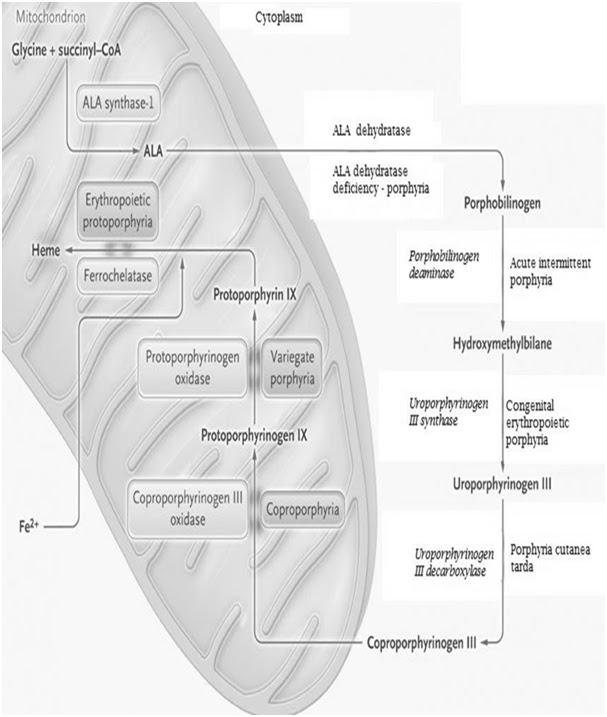
A 30-year-old woman had severe abdominal pain, nausea, vomiting and diarrhea. Evaluations including upper and lower endoscopies did not establish any intestinal infection. She gradually improved and was discharged after 2 weeks. 2 years later she was admitted to a psychiatric unit with acute mental changes and hallucinations, she had to be transferred to the […]

Case study- Porphyria Read More »
Case studies – Jaundice

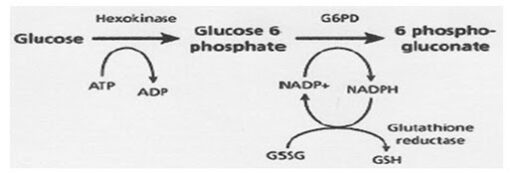
Case study-1 A 24 –year –old male suffering from Malaria was put on Primaquine. He developed malaise, fatigue and yellow discoloration of sclera and skin. On examination – There was pallor- ++, icterus ++, Pulse – 100/min., Temperature 102°F. The liver and spleen were palpable. The investigation report was as follows- Hb-5gm% TLC-13000 cmm esp. polymorphs

Case studies – Jaundice Read More »

Jaundice- An overview

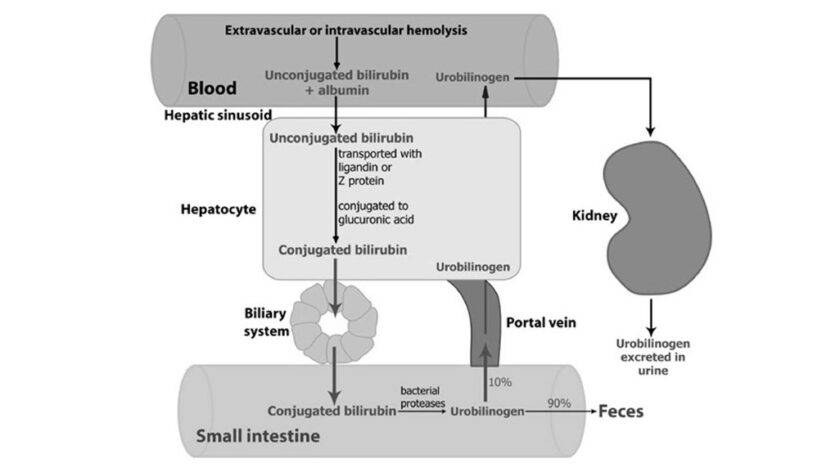
Bilirubin is the end product of heme degradation. From 70–90% of bilirubin is derived from degradation of the hemoglobin of senescent red blood cells. Bilirubin produced in the periphery is transported to the liver within the plasma, where, due to its insolubility in aqueous solutions, it is tightly bound to albumin. Under normal circumstances, bilirubin

Jaundice- An overview Read More »

Case Study- Wilson’s Disease

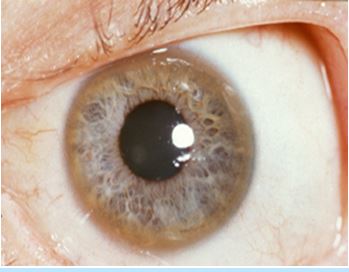
Case Details A 15 –year-old girl presented with abdominal pain and diarrhea for 3 days. She became jaundiced and a presumptive diagnosis of infective hepatitis was made, but serological tests were negative. She subsequently died of fulminant liver failure. At post-mortem, her liver copper concentration was found to be grossly increased. What is the probable diagnosis? What kind of

Case Study- Wilson’s Disease Read More »

Iron deficiency anemia-a case study

Case Details An 18 –year- old female reported to the physician for consultation. She complained of generalized weakness, lethargy, and inability to do the routine work from the previous few months. On further questioning, she revealed that she was having excessive bleeding during menstruation for the previous six months. She complained of breathlessness and palpitations

Iron deficiency anemia-a case study Read More »

Calcium Homeostasis

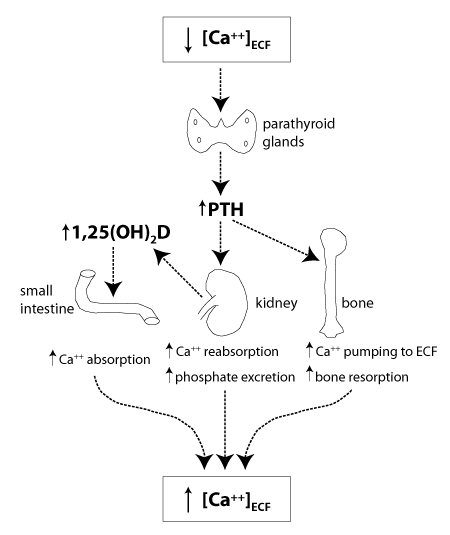
Calcium is required for the proper functioning of muscle contraction, nerve conduction, hormone release, and blood coagulation. In addition, calcium is required as a cofactor for various enzymes. Calcium balance Calcium is an important nutrient. The daily intake is approximately 1000 mg/day. The adult human body contains approximately 1100 g (27.5mol) of calcium. 99% of

Calcium Homeostasis Read More »

Mechanism of Iron absorption

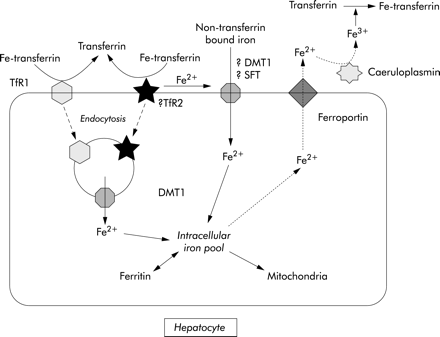
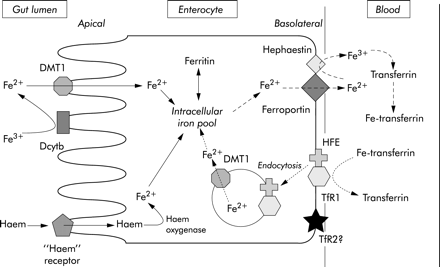
Iron absorption takes place largely in the proximal small intestine and is a carefully regulated process. In general, there is no regulation of the amounts of nutrients absorbed from the gastrointestinal tract. A notable exception is an iron, the reason that absorption must be carefully regulated is that the body does not possess a physiological

Mechanism of Iron absorption Read More »

×