Cancers- lecture-2 (tumor suppressor genes)

Cancer susceptibility genes There are two major classes of cancer susceptibility genes. A) Genes affecting cell growth- These genes exert their effects on tumor growth through their ability to control cell division (cell birth) or cell death (apoptosis).There are two types of genes affecting cell growth. Tumor suppressor genes– negatively affect cell growth. The normal […]

Cancers- lecture-2 (tumor suppressor genes) Read More »
Oncogenes- lecture-3

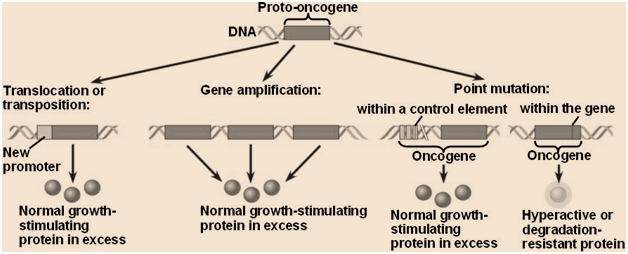
Oncogenes in Human Cancer Oncogenes are cancer susceptibility genes. Proto-oncogenes are normal genes that are present in normal cells and are involved in normal growth and development. Under certain circumstances due to the effect of certain processes protooncogenes are converted to Oncogenes. Significance of Proto-oncogenes In the normal cellular environment, proto-oncogenes have crucial roles in

Oncogenes- lecture-3 Read More »

Anticancer drugs- lecture- 4

Anticancer drugs The goal of cancer treatment is first to eradicate cancer. If this primary goal cannot be accomplished, the goal of cancer treatment shifts to palliation, the amelioration of symptoms, and preservation of quality of life while striving to extend life. Cancer treatments are divided into four main types: surgery, radiation therapy (including photodynamic

Anticancer drugs- lecture- 4 Read More »

Methotrexate-mechanism of action, side effects, and significance

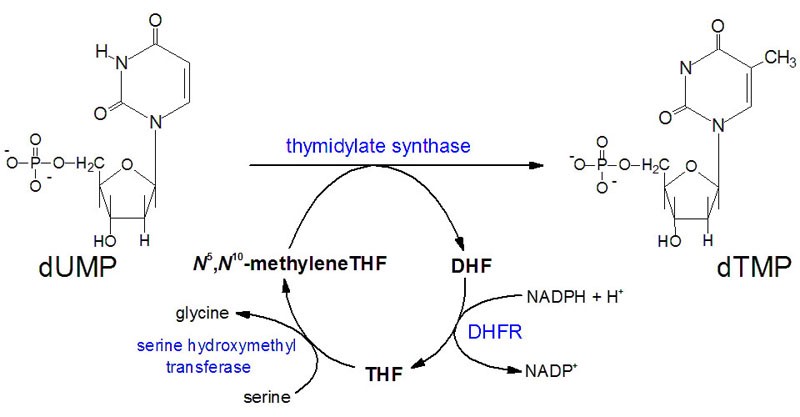
Methotrexate Methotrexate is an antimetabolite. A broad definition of antimetabolites would include compounds with structural similarity to precursors of purines or pyrimidines or compounds that interfere with purine or pyrimidine synthesis. Antimetabolites can cause DNA damage indirectly, through misincorporation into DNA, abnormal timing or progression through DNA synthesis, or altered function of pyrimidine and purine

Methotrexate-mechanism of action, side effects, and significance Read More »

Case study- Luft syndrome (Hypermetabolic mitochondrial syndrome)

Case Study A 30 -year- old patient reported to medical OPD complaining of generalized weakness, excessive perspiration, and high caloric intake without an increase in body weight. From the age of seven, she had suffered from profuse sweating that forced her to change clothes about ten times a day. To compensate for the loss of

Case study- Luft syndrome (Hypermetabolic mitochondrial syndrome) Read More »

Electron Transport Chain -strictly aerobic (a brief review)

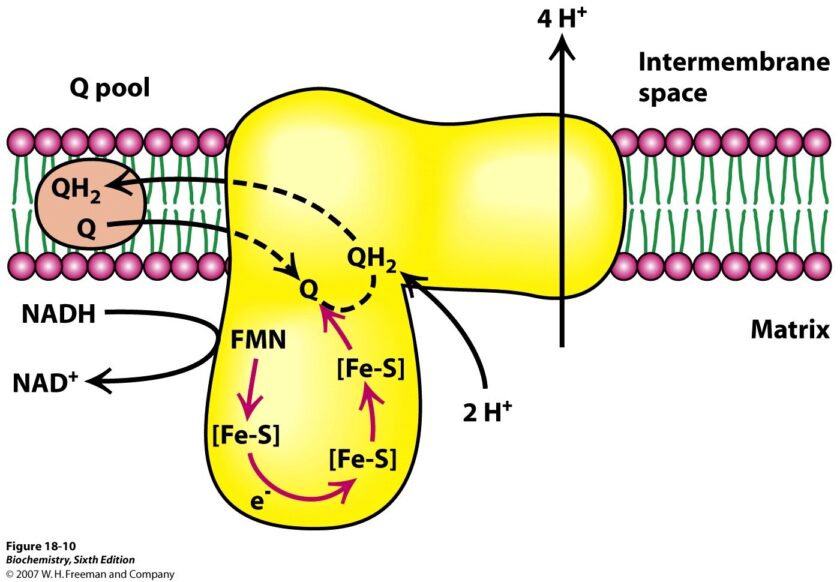
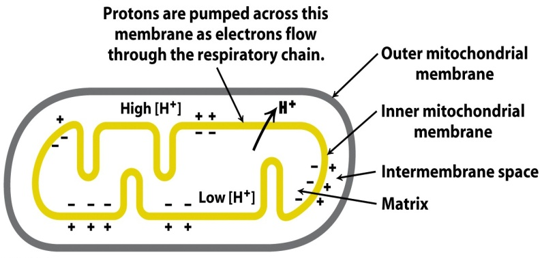
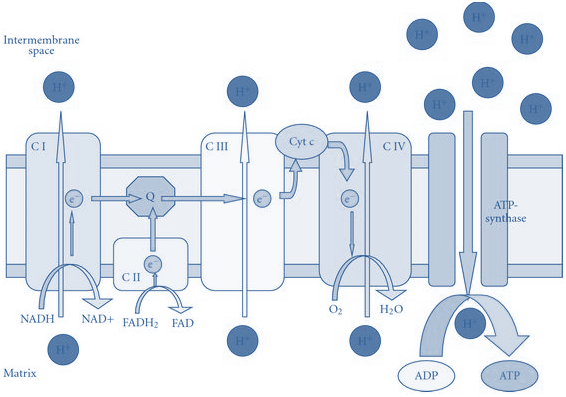
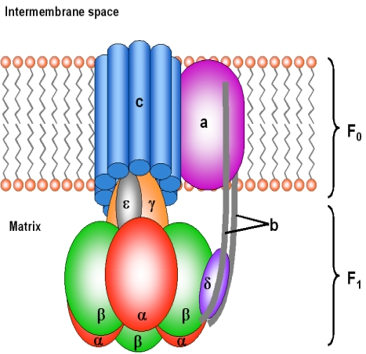
Introduction Most of the energy liberated during the oxidation of carbohydrates, fatty acids, and amino acids are made available within mitochondria as reducing equivalents (—H or electrons). The NADH and FADH2 formed in glycolysis, fatty acid oxidation, and the citric acid cycle are energy-rich molecules because each contains a pair of electrons having a high

Electron Transport Chain -strictly aerobic (a brief review) Read More »

Complete oxidation of glucose in skeletal muscle yields 36 ATPs while in other tissues the yield is 38 – what might be the reason?

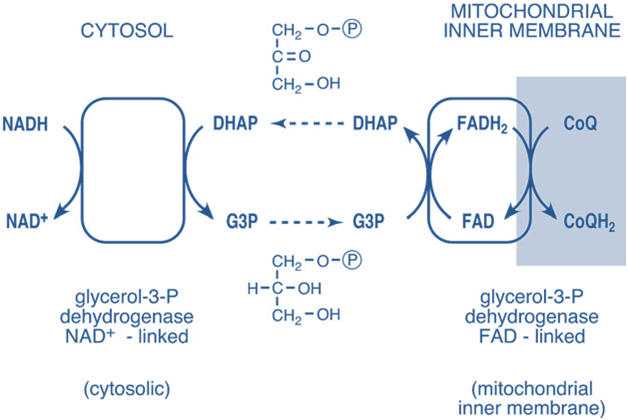
Under aerobic conditions regeneration of cytosolic NAD+ from cytosolic NADH is accomplished by transferring electrons across the mitochondrial membrane barrier to the electron transport chain where the electrons are transferred to oxygen. There are two different shuttle mechanisms whereby this transfer of electrons across the membrane to regenerate cytosolic NAD+ can be accomplished, the glycerol 3-phosphate shuttle and the malate-aspartate

Complete oxidation of glucose in skeletal muscle yields 36 ATPs while in other tissues the yield is 38 – what might be the reason? Read More »

×