Case based multiple choice questions

Genetics- Chromosomal disorders, Mitochondrial inheritance, and Population Genetics

“Genetics offers insights into the mechanisms of inheritance, from chromosomal disorders to mitochondrial DNA traits. Learn how pedigree analysis can reveal inheritance patterns, Hardy-Weinberg equilibrium helps predict population-level genetic outcomes, and real-life cases like Cri-du-chat syndrome illuminate chromosomal abnormalities.”

Genetics- Chromosomal disorders, Mitochondrial inheritance, and Population Genetics Read More »
Nucleotide metabolism-Multiple-choice questions with explanations

Question 1: A 3-month-old male infant presents with delayed motor development and orange, sand-like crystals in his diaper. His parents report he constantly chews on his fingers and lips, causing bleeding. Based on these symptoms, what is the most likely diagnosis? A. Adenosine deaminase deficiency B. Gouty arthritis C. Lesch-Nyhan Syndrome D. Orotic aciduria E.

Nucleotide metabolism-Multiple-choice questions with explanations Read More »

Fructose and Galactose metabolism- Multiple-choice questions with explanations

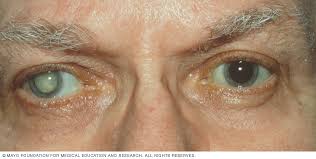
1. An exclusively breast-fed infant presents with vomiting, weight loss, jaundice, hepatomegaly, and bilateral cataracts. Which condition is most likely responsible for these symptoms? A. Breast milk jaundice B. Classical Galactosemia C. Hereditary fructose intolerance D. Type 1 Diabetes mellitus E. Von Gierke’s disease Correct Answer: B. Classical Galactosemia Explanation: Classical galactosemia is a rare

Fructose and Galactose metabolism- Multiple-choice questions with explanations Read More »

Starvation induced metabolic alterations

 A 23 –year- old female was brought for consultation by her mother, who was troubled by her daughter’s continuous fatigue, dizziness, and loss of weight. The patient was 6 feet 2 inches tall and weighed 100 pounds. Further questioning revealed that the young woman had been virtually fasting for four months, hoping to obtain a

Starvation induced metabolic alterations Read More »

Question of the week

Case details A 54- year-old man with Type 1 diabetes is referred to an ophthalmologist for evaluation of developing cataracts. Blood chemistry results are shown below: Fasting blood glucose   198 mg/dl Hemoglobin A                  15 gm/dl Hemoglobin A1c             10% of total Hb Urine ketones                   Positive Urine glucose                    Positive Which of the following enzymes is most strongly

Question of the week Read More »

Clinical significance of SGLT-2

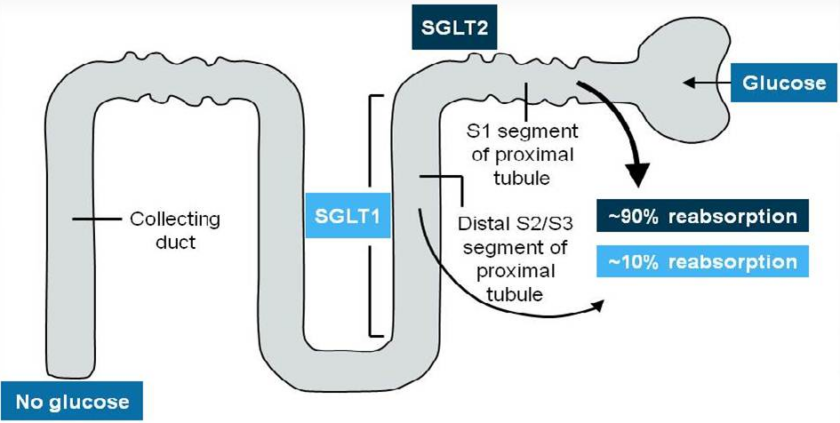
A 22-year-old man collapsed from dehydration during maneuvers in the desert and was sent to an emergency. A high level of glucose was observed in his urine. He was suspected of being a diabetic. Further tests, however, determined that his serum insulin level was normal. A glucose tolerance test exhibited a normal pattern; further testing

Clinical significance of SGLT-2 Read More »

×