Disorders of lipid metabolism-part 2
Disorders of lipid metabolism-part 2 Read More »
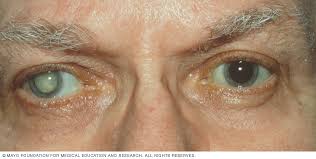
Case details A 54- year-old man with Type 1 diabetes is referred to an ophthalmologist for evaluation of developing cataracts. Blood chemistry results are shown below: Fasting blood glucose 198 mg/dl Hemoglobin A 15 gm/dl Hemoglobin A1c 10% of total Hb Urine ketones Positive Urine glucose Positive Which of the following enzymes is most strongly
Question of the week Read More »
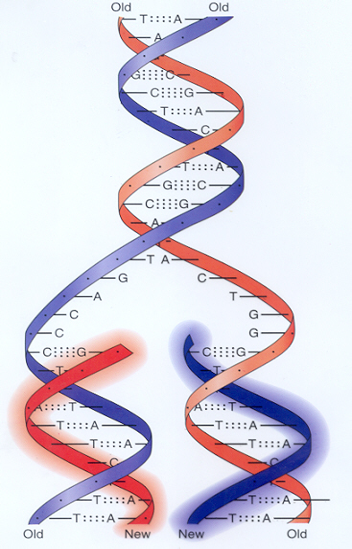
1-State Chargaff’s rule In DNA molecules, the concentration of deoxyadenosine (A) nucleotides equals that of thymidine (T) nucleotides (A = T), while the concentration of deoxyguanosine (G) nucleotides equals that of deoxycytidine (C) nucleotides (G = C). 2- What is meant by hyperchromicity of denaturation? The conjugated double bonds of purine and pyrimidine derivatives absorb
Molecular Biology- Viva Questions- Set -1 Read More »
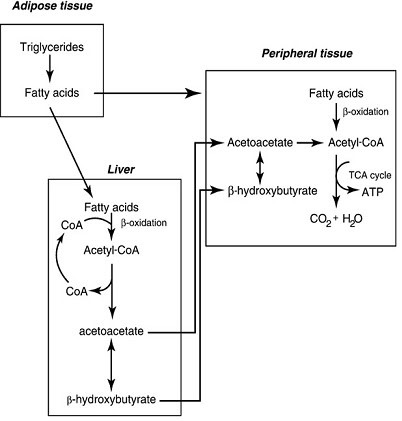
Utilization of ketone bodies The ketone bodies are water-soluble and are transported across the inner mitochondrial membrane as well as across the blood-brain barrier and cell membranes. Thus, they can be used as a fuel source by a variety of tissues, including the CNS. They are preferred substrates for aerobic muscle and heart, thus sparing
Utilization of ketone bodies and ketosis- lecture 3 Read More »
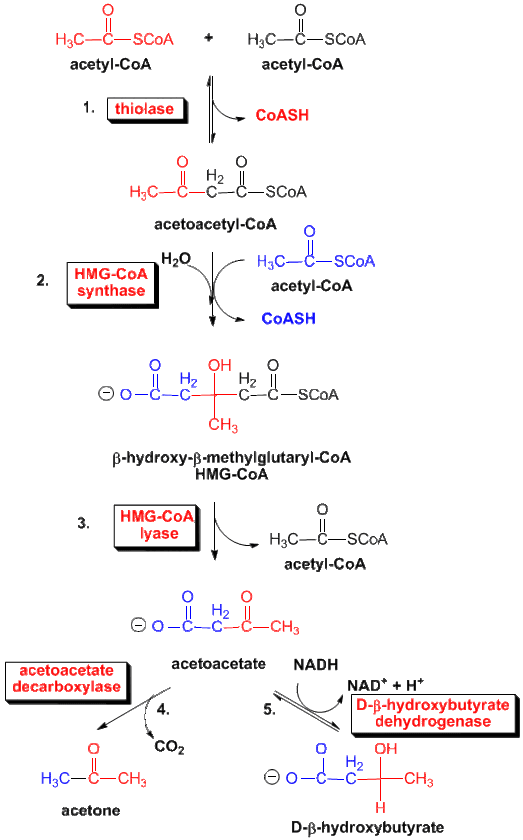
Ketogenesis Ketogenesis takes place in the liver using Acetyl CoA as a substrate or a precursor molecule. Enzymes responsible for ketone body formation are associated mainly with the mitochondria. Steps of synthesis-Acetoacetate (the first ketone body) is formed from acetyl CoA in three steps (figure ). 1)Two molecules of acetyl CoA condense to form Acetoacetyl
Ketogenesis-lecture 2 Read More »
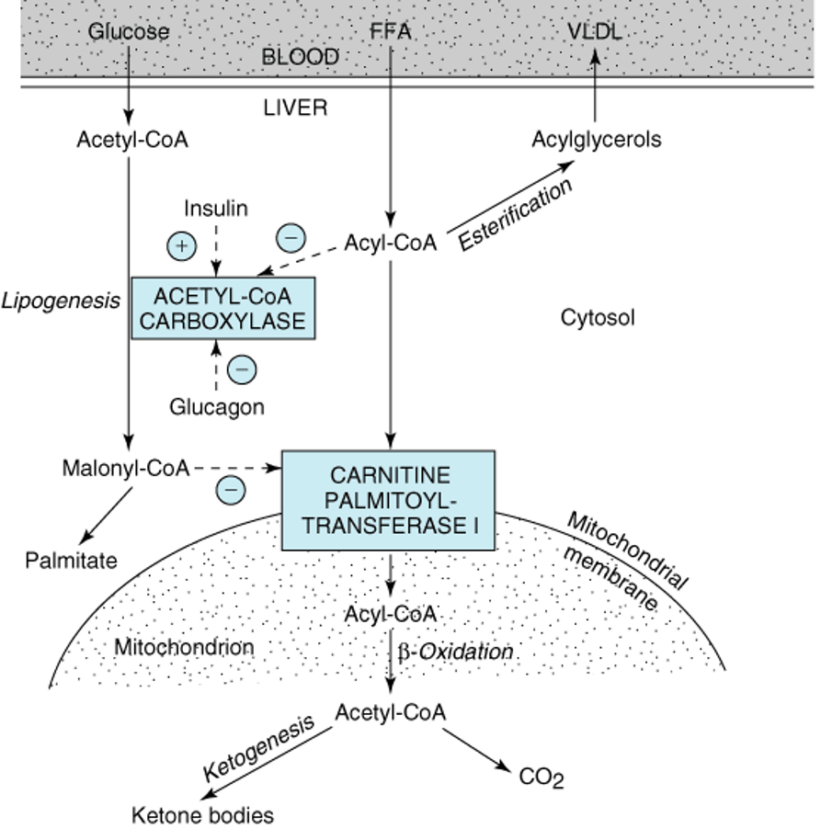
Enzyme and pathway Effect of substrate concentration Allosteric Modification/ Feedback Inhibition/Covalent modification Induction/ Repression Clinical Significance Acetyl CoA Carboxylase (Fatty acid synthesis) Activity increases during the well-fed state Activity decreases during fasting Activator- Citrate, ATP Acetyl CoA Insulin- activates the enzyme by covalent modification of the enzyme (dephosphorylation through stimulating protein phosphatase enzyme) Inhibitors– Long-chain fatty
Regulatory Mechanisms- Lipid Metabolism (summary Chart) Read More »
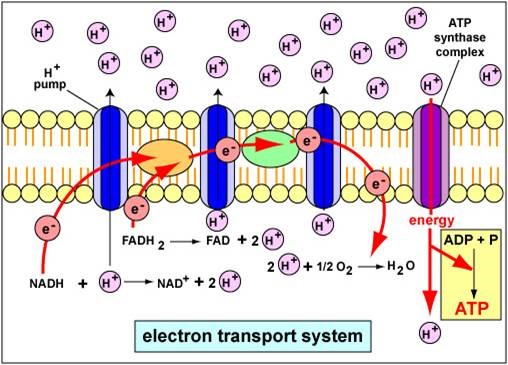
Q.- Adenosine triphosphate (ATP) is the energy currency within the cell. Which of the following best describes the type of compound ATP is? A. Phospholipid B. Amino acid C. Nucleotide D. Triacylglycerol E. Oligosaccharide. Details The correct answer is -C- Nucleotide. The nucleotide coenzyme adenosine triphosphate (ATP) is the most important form of chemical energy
ATP- The energy currency within the cell Read More »
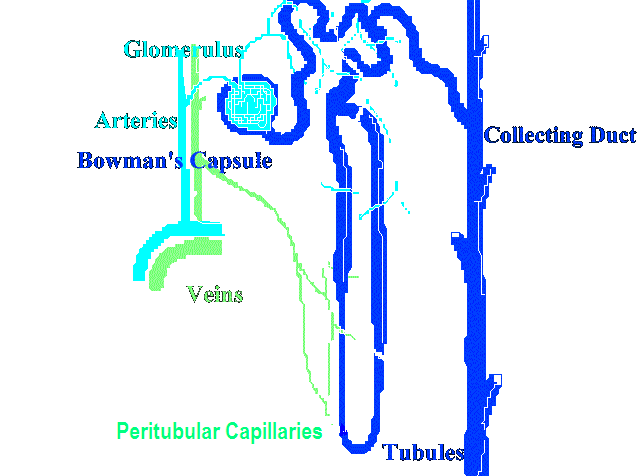
Introduction Renal clearance is a measurement to analyze the functions of the kidney. By definition, clearance is the volume of plasma from which the excretion completely removes a substance through the kidney in a given amount of time (usually a minute). For example, the clearance for urea is 75 ml/min. This means that the kidney
Renal clearance- a quick revision Read More »
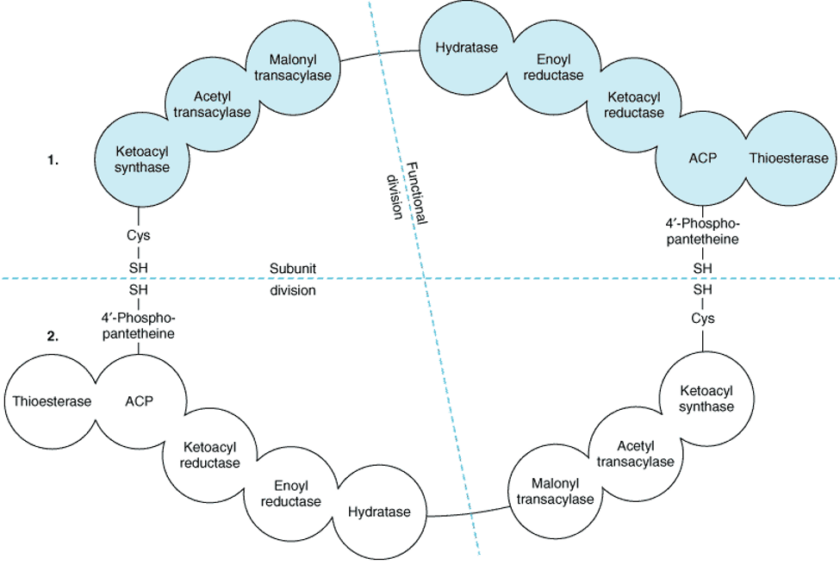
Fatty acid synthase complex is the second most important enzyme complex in the pathway of de novo fatty acid biosynthesis. In mammals, the fatty acid synthase complex is a dimer comprising two identical monomers, each containing all seven enzyme activities of fatty acid synthase on one polypeptide chain. Each chain is folded into three domains
Fatty Acid Synthesis- Lecture 3 (fatty acid synthase complex) Read More »