Learning resources

Summary- Regulation of Major Pathways Of Carbohydrate metabolism

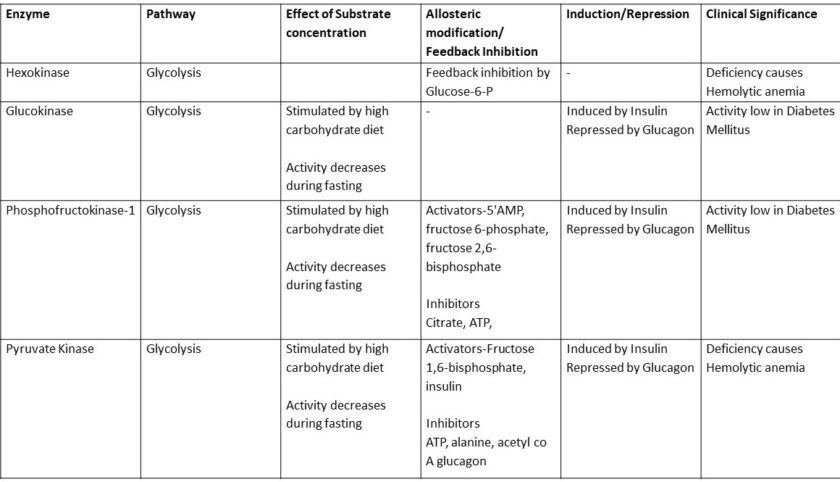
Enzyme Pathway Effect of Substrate Concentration Allosteric Modification/ Feedback Inhibition Induction/Repression Clinical Significance Hexokinase Glycolysis Feedback inhibition by Glucose-6-P – Deficiency causes Hemolytic anemia. Glucokinase Glycolysis Stimulated by a high carbohydrate diet   Activity decreases during fasting – Induced by Insulin Repressed by Glucagon Activity low in Diabetes Mellitus Phosphofructokinase-1 Glycolysis Stimulated by a high […]

Summary- Regulation of Major Pathways Of Carbohydrate metabolism Read More »
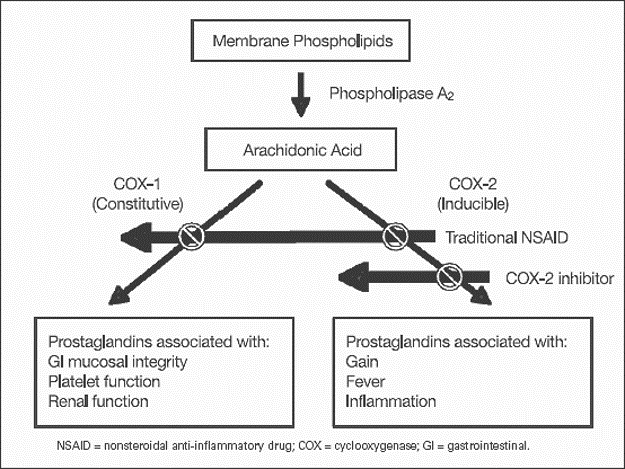
Prostaglandin synthesis and the significance of COX-1 and 2 (case study-2)

Case details A 63-year-old female presented to the clinic with recurrent mid-epigastric pain over the last 3 months. She also reported feeling tired and had to increase the amount of ibuprofen needed for the relief of her arthritis.  She reported some relief of epigastric pain shortly after eating, but then the discomfort returned. She had

Prostaglandin synthesis and the significance of COX-1 and 2 (case study-2) Read More »

Image challenge-1- Answer

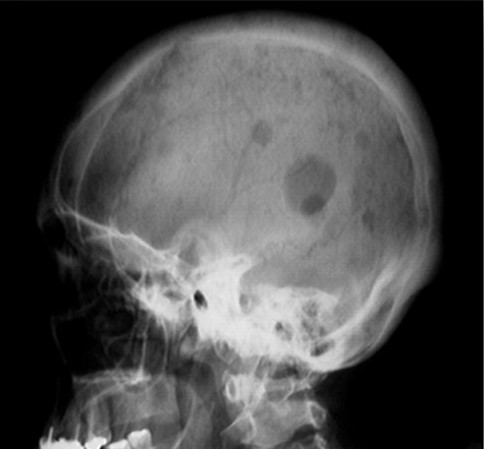
Case discussion The patient is suffering from multiple myeloma. Multiple myelomas represent a malignant proliferation of plasma cells derived from a single clone. The plasma cells in a normal individual are end-stage cells that secrete specific antibodies for a few days and then die. In contrast, the plasma cells in an individual with multiple myeloma

Image challenge-1- Answer Read More »

Regulation Of Gene Expression in Eukaryotes

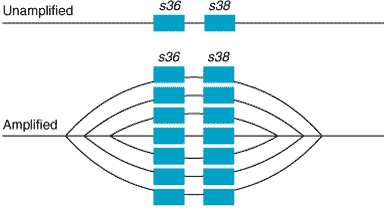
Gene regulation is significantly more complex in eukaryotes than in prokaryotes for a number of reasons- 1)  Large Genome First, the genome being regulated is significantly larger. The E. coli genome consists of a single, circular chromosome containing 4.6 Mb. This genome encodes approximately 2000 proteins. In comparison, the genome within a human cell contains 23 pairs

Regulation Of Gene Expression in Eukaryotes Read More »

Lac operon (Regulation of gene expression in prokaryotes)- lecture-2

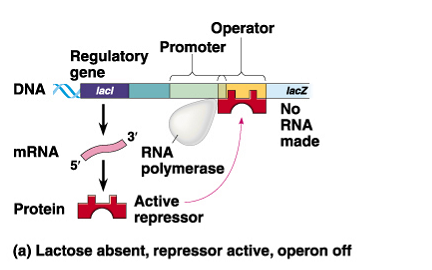
Prokaryotes must use substances and synthesize macromolecules just fast enough to meet their needs. The genes for metabolizing enzymes are expressed only in the presence of nutrients.  If the enzymes are not needed, genes are turned off. This allows for the conservation of cell resources. Controlling gene expression is one method of regulating metabolism. Bacteria

Lac operon (Regulation of gene expression in prokaryotes)- lecture-2 Read More »

Gene Expression- Lecture-1

Gene expression is the combined process of the transcription of a gene into mRNA, the processing of that mRNA, and its translation into protein (for protein-encoding genes). Significance of Gene Expression Regulated expression of genes is required for Adaptation, differentiation, and development, 1) Adaptation Organisms adapt to environmental changes by altering gene expression. a) Bacteria

Gene Expression- Lecture-1 Read More »

Genetic Code And Its Characteristics

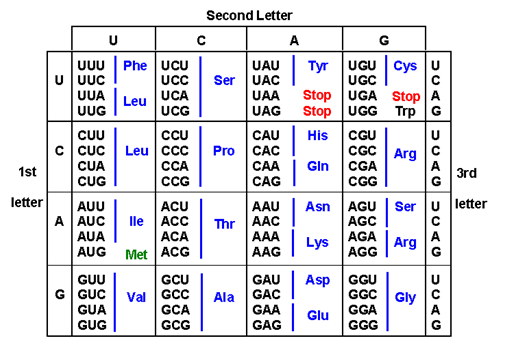
The pathway of protein synthesis is called Translation because the language of the nucleotide sequence on mRNA is translated into the language of an amino acid sequence. The process of Translation requires a Genetic code, through which the information contained in the nucleic acid sequence is expressed to produce a specific sequence of amino acids.

Genetic Code And Its Characteristics Read More »

Post transcriptional modifications

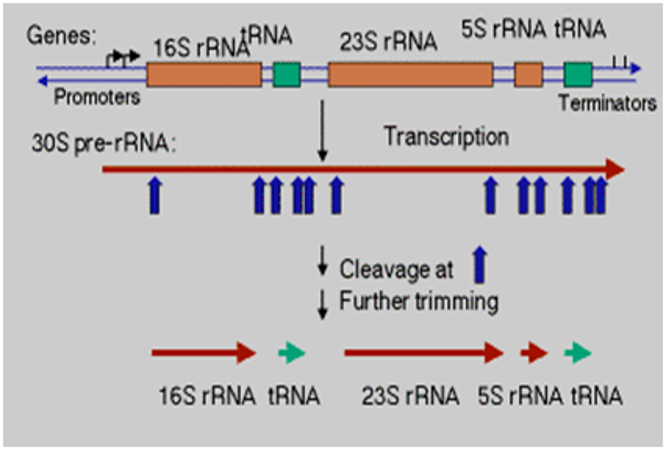
A primary transcript is a linear copy of a transcriptional unit, the DNA segment between specific initiation and termination sequences. The primary transcript of both prokaryotic and eukaryotic tRNAs and rRNAs are post-transcriptionally modified by removing extra nucleotides. Transfer RNAs are then further modified to acquire special characters unique to tRNAs. In fact, many of

Post transcriptional modifications Read More »

Transcription-Lecture-1

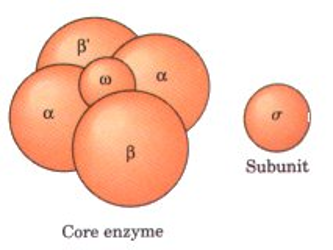
RNA Synthesis The synthesis of an RNA molecule from DNA is called Transcription. All eukaryotic cells have five major classes of RNA: ribosomal RNA (rRNA), messenger RNA (mRNA), transfer RNA (tRNA), and small nuclear RNA and microRNA (snRNA and miRNA). The first three are involved in protein synthesis, while the small RNAs are involved in mRNA

Transcription-Lecture-1 Read More »

×