
Metabolism of Histidine
Metabolism of Histidine Read More »
Summary Table of Acid-Base Disorders Primary Disorder Defect Causes Effect on pH and Bicarbonate: Carbonic Acid Ratio Compensatory Responses Metabolic Acidosis HCO3⁻ Deficiency High Anion Gap (Acid Gain): – Ketoacidosis (Diabetes, Alcoholism, Malnutrition, Fasting) – Lactic Acidosis (Shock, Hypoxia, Seizures) – Renal Failure – Toxins (Alcohol, Methanol, Salicylates) Normal Anion Gap (HCO3⁻ Loss – Hyperchloremic
Acid-Base Disorders- A Quick Revision Read More »
Glycine, a non-essential amino acid, has vital metabolic roles, including serving as a constituent of collagen, a one-carbon donor, and a precursor for purine nucleotides, bile salts, and heme. Clinically, defects in glycine metabolism can lead to conditions like hyperoxaluria, nonketotic hyperglycinemia, and glycinuria, contributing to significant health implications such as oxalate stone formation and neurological disorders.
Metabolism and significance of Glycine Read More »
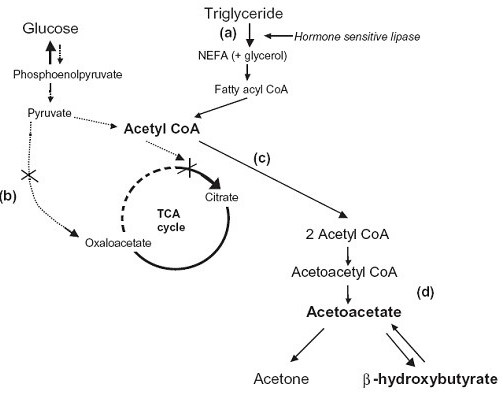
“Explore real-world applications of biochemistry through 21 engaging questions that connect metabolic pathways to clinical insights. Tackle scenarios like cyanide poisoning, enzyme regulation, metabolic disorders, and more. Sharpen your critical thinking as you dive into the intricacies of glycolysis, amino acid metabolism, and energy production. A must-read for anyone looking to bridge biochemistry with clinical practice!”
Biochemistry Challenge- Part 2 Read More »
Q.1 – Which of the following is a common compound shared by the TCA (Tricarboxylic Acid) cycle and the Urea cycle? A. α-Ketoglutarate B. Succinyl-CoA C. Oxaloacetate D. Fumarate E. Citrate Correct Answer: D. Fumarate Explanation: Fumarate is a key intermediate shared between the TCA and Urea cycles. In the Urea cycle, fumarate is produced
Amino Acid Metabolism-Multiple-Choice Questions- Set 1 Read More »
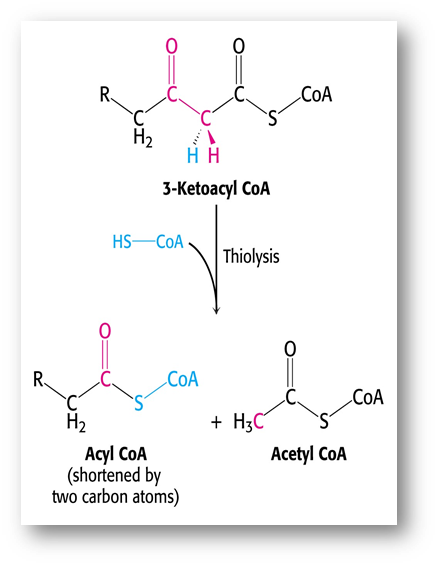
Question 1: Why are triglycerides a more efficient energy storage form compared to glycogen? Answer: Triglycerides are highly reduced and stored in a nearly anhydrous form, yielding about 9 kcal/g upon complete oxidation. In contrast, the polar nature of glycogen leads to greater hydration, reducing its energy storage capacity to about 1/6th that of fat.
Fatty acid oxidation and TG breakdown- Short-answer questions Read More »
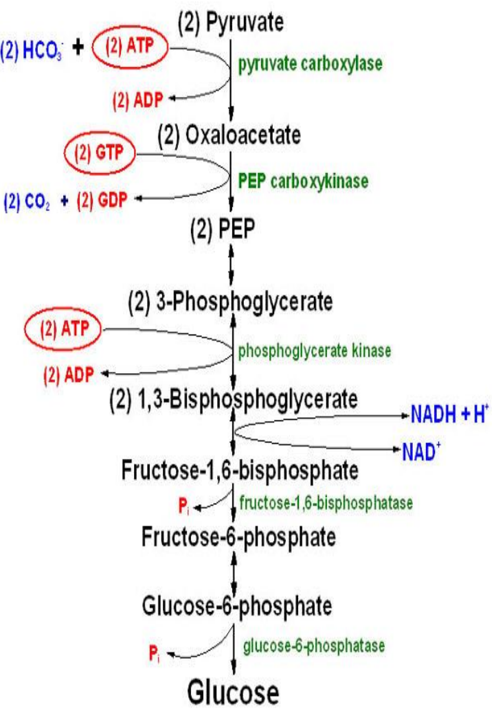
Question 1: Explain why gluconeogenesis is not simply the reverse of glycolysis. Answer: Gluconeogenesis is not simply the reverse of glycolysis because there are three irreversible reactions in glycolysis that must be bypassed in gluconeogenesis. These irreversible reactions are catalyzed by hexokinase, phosphofructokinase, and pyruvate kinase. Gluconeogenesis uses different enzymes to bypass these steps, making
Gluconeogenesis- Short-answer questions Read More »