Learning resources

Glycogen storage diseases with mnemonics to aid memorization

A table summarizing the main glycogen storage diseases (GSDs) with enzyme defects, key clinical features, and mnemonics to aid memorization: Glycogen Storage Disease Enzyme Defect Key Clinical Features Mnemonic Type I: von Gierke Disease (GSD I) Glucose-6-phosphatase Severe fasting hypoglycemia, hepatomegaly, lactic acidosis, hyperlipidemia, hyperuricemia “von Gierke: ‘G6P’s Gone, Liver Left Low” Type II: Pompe […]

Glycogen storage diseases with mnemonics to aid memorization Read More »
Glycogen Metabolism- Multiple-Choice Questions with Complete explanations-Part-1

1. Imagine you’re preparing for a long-distance marathon and need sustained energy throughout the race. Which of the following organs stores the maximum amount of glycogen that your body can use during prolonged exercise? A. Adipose tissue B. Cardiac muscle C. Kidney D. Liver E. Skeletal muscle   The correct answer is E. Skeletal muscle:

Glycogen Metabolism- Multiple-Choice Questions with Complete explanations-Part-1 Read More »

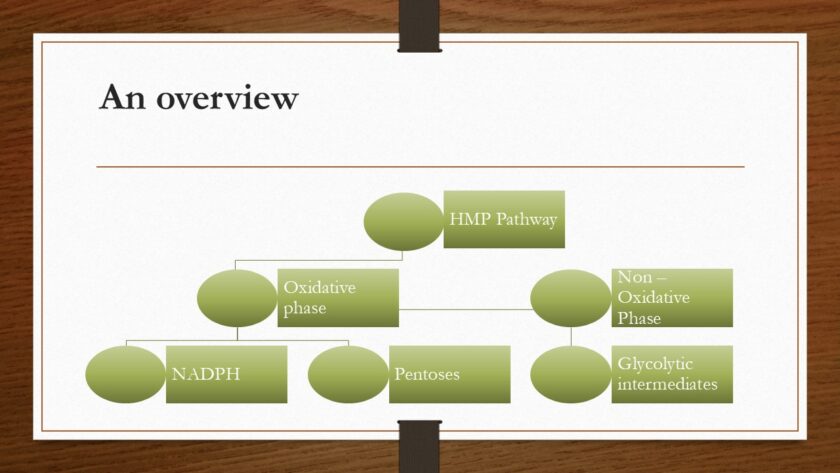
HMP Pathway- Multiple-Choice Questions

1. A researcher is investigating the effect of an enzyme whose reaction product is crucial for de novo fatty acid synthesis. Which of the following enzymes is most likely the focus of this study? A. Acyl CoA Dehydrogenase B. Glucose-6-Phosphatase C. Glucose-6-Phosphate Dehydrogenase (G-6PD) D. Lactate Dehydrogenase E. Phosphofructokinase-1 (PFK-1)   Correct Answer – C.

HMP Pathway- Multiple-Choice Questions Read More »

Gluconeogenesis: Pathways, Substrates, and Key Enzymes Explained with mnemonics

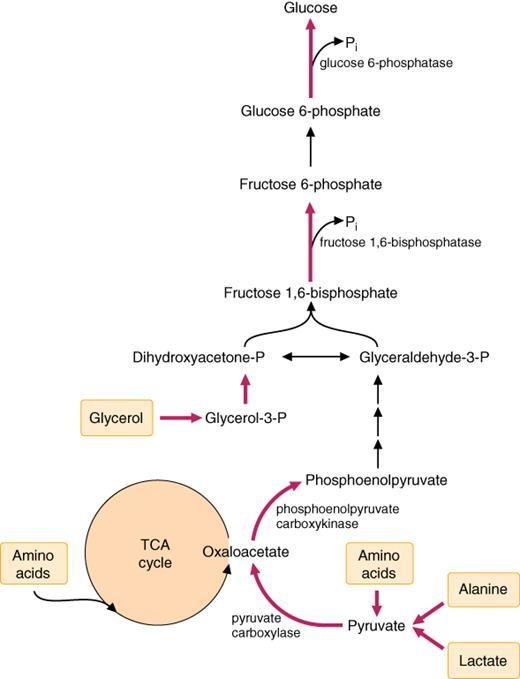
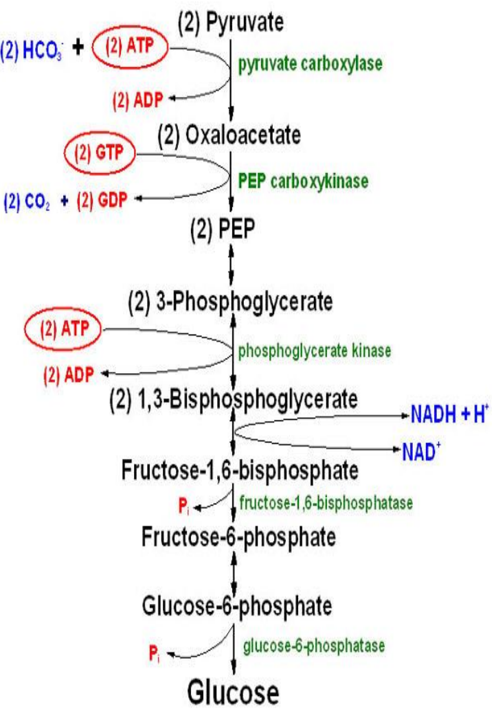
Gluconeogenesis Gluconeogenesis is a vital metabolic process that allows the body to synthesize glucose from non-carbohydrate sources, ensuring a continuous supply of glucose, especially during fasting or intense exercise. Below, we explore how key substrates enter gluconeogenesis and the role of specific enzymes with easy-to-remember mnemonics to simplify learning.     Figure 1: Gluconeogenesis and

Gluconeogenesis: Pathways, Substrates, and Key Enzymes Explained with mnemonics Read More »

Gluconeogenesis- Case-based Multiple-Choice Questions- Set 1

1. A 4-month-old boy is being evaluated for seizures, psychomotor retardation, and hypotonia. Work-up reveals elevated serum levels of lactate, alanine, pyruvate, and ketoacids. Based on the clinical presentation, pyruvate carboxylase activity is measured using fibroblasts from a skin biopsy and is found to be markedly decreased. This enzyme is normally used to directly synthesize

Gluconeogenesis- Case-based Multiple-Choice Questions- Set 1 Read More »

Amphibolic Role of the TCA Cycle with Mnemonics

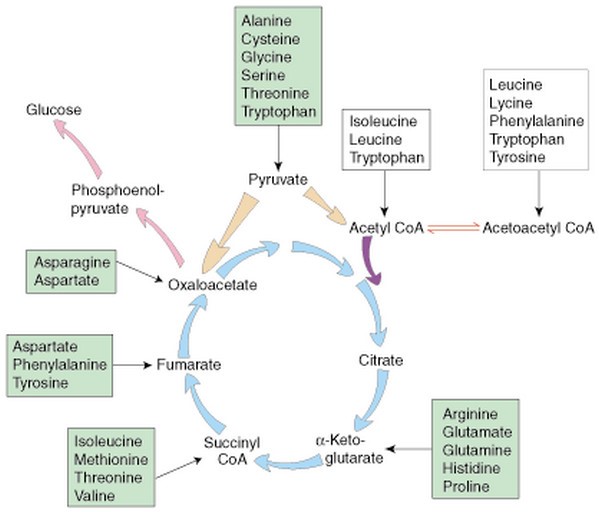
The TCA cycle (Krebs cycle) serves as a central hub for both catabolic (energy-producing) and anabolic (biosynthetic) processes, making it a dual-purpose amphibolic pathway. Below is a table that summarizes the catabolic and anabolic roles of the TCA cycle, along with mnemonics to make these concepts easier to remember. Catabolic Role of the TCA Cycle:

Amphibolic Role of the TCA Cycle with Mnemonics Read More »

Electron Transport Chain and Oxidative Phosphorylation- Multiple Choice Questions With Explanations-Set-2

11. A 48-year-old patient is brought to the emergency room after exposure to toxic fumes suspected to contain cyanide. He presents with shortness of breath, confusion, and metabolic acidosis. The medical team suspects cyanide toxicity, which disrupts the electron transport chain (ETC). Which of the following statements concerning the components of the electron transport chain

Electron Transport Chain and Oxidative Phosphorylation- Multiple Choice Questions With Explanations-Set-2 Read More »

×