Lecture notes

Structure, sources and functions of ATP

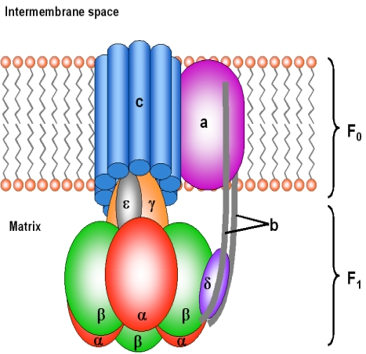
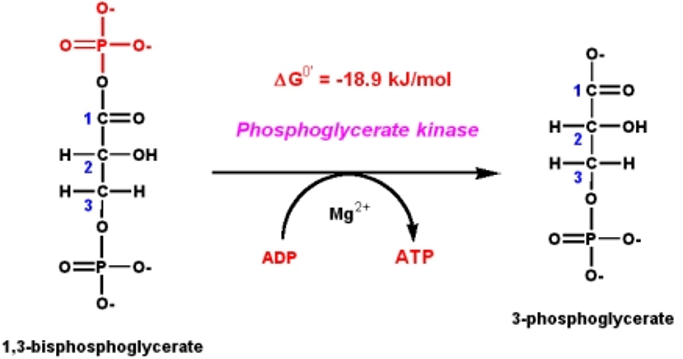
ATP- Energy Currency of cell The nucleotide coenzyme adenosine triphosphate (ATP) is the most important form of chemical energy in all cells.  All fuel sources of Nature, all foodstuffs of living things, produce ATP, which in turn powers virtually every activity of the cell and organism.  The cleavage of ATP is strongly exergonic. The energy […]

Structure, sources and functions of ATP Read More »
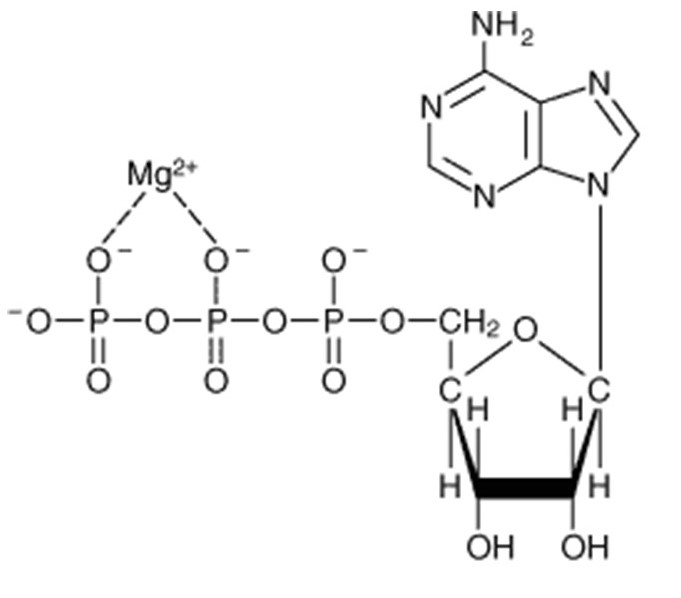
ATP- The energy currency within the cell

Q.- Adenosine triphosphate (ATP) is the energy currency within the cell. Which of the following best describes the type of compound ATP is? A. Phospholipid B. Amino acid C. Nucleotide D. Triacylglycerol E. Oligosaccharide. Details The correct answer is -C- Nucleotide. The nucleotide coenzyme adenosine triphosphate (ATP) is the most important form of chemical energy

ATP- The energy currency within the cell Read More »

Jaundice- An overview

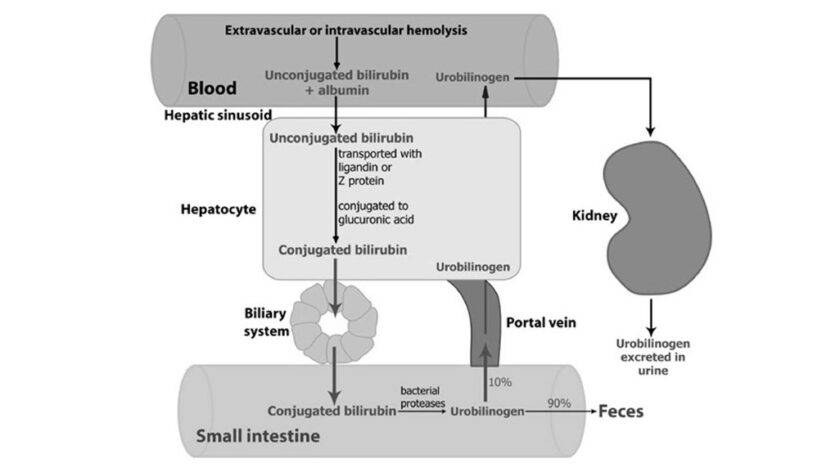
Bilirubin is the end product of heme degradation. From 70–90% of bilirubin is derived from degradation of the hemoglobin of senescent red blood cells. Bilirubin produced in the periphery is transported to the liver within the plasma, where, due to its insolubility in aqueous solutions, it is tightly bound to albumin. Under normal circumstances, bilirubin

Jaundice- An overview Read More »

Mechanism of Iron absorption

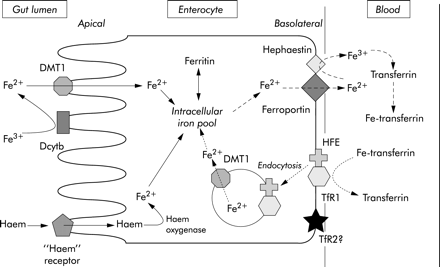
Iron absorption takes place largely in the proximal small intestine and is a carefully regulated process. In general, there is no regulation of the amounts of nutrients absorbed from the gastrointestinal tract. A notable exception is an iron, the reason that absorption must be carefully regulated is that the body does not possess a physiological

Mechanism of Iron absorption Read More »

Biochemistry of cancer cells- Lecture-1

“International Union Against cancer” has defined Cancer as a disturbance of growth, characterized by excessive proliferation of cells without apparent relation to the physiological demands of the organ involved. Properties of cancer cells Three important properties- 1) Diminished or unrestricted control of growth 2) The capability of invasion of local tissues 3) Capable of spreading

Biochemistry of cancer cells- Lecture-1 Read More »

×