

A Quick Revision Of ELISA
A Quick Revision Of ELISA Read More »
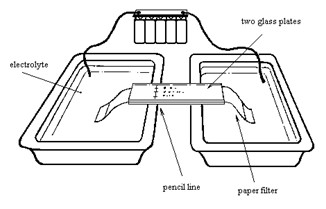
Electrophoresis is the movement of charged particles through an electrolyte when subjected to an electric Field- Cations move towards the cathode Anions move towards the anode By this technique, solutes are separated by their different rates of travel through an electric field. Commonly used in biological analysis, particularly in the separations of proteins, peptides, and nucleic acids Factors affecting
Electrophoresis – A brief review Read More »
Electrophoresis from Namrata Chhabra
Electrophoresis – An Overview Read More »
Chromatography from Namrata Chhabra
Chromatography-an overview Read More »
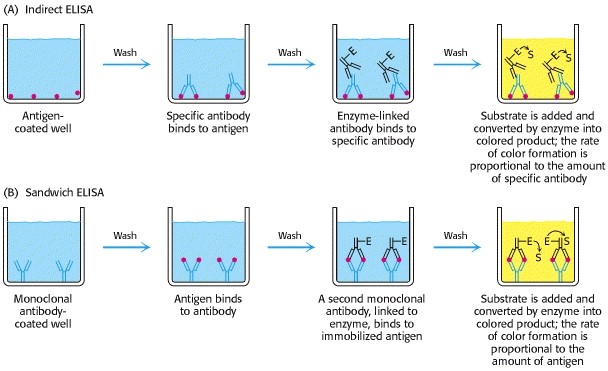
ELISA– Enzyme-Linked Immunosorbent Assay The ELISA techniques are widely used for- 1) Quantitative estimation of- Hormones Amino acids Growth factors Tumor markers and Other analytes which are present in a very small concentration in biological fluids 2) Qualitative detection of- Bacterial or viral antigens Antibodies against microbes Any antigen, or antibody present in a small
ELISA- A quick review Read More »
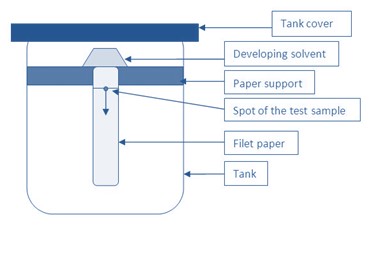
The word Chromatography is derived from two Greek words –Chroma means – color and graphein to write. Chromatography is the collective term for a family of laboratory techniques for the separation of mixtures. Chromatography, literally “color writing”, was used—and named— in the first decade of the 20th century, primarily for the separation of plant pigments
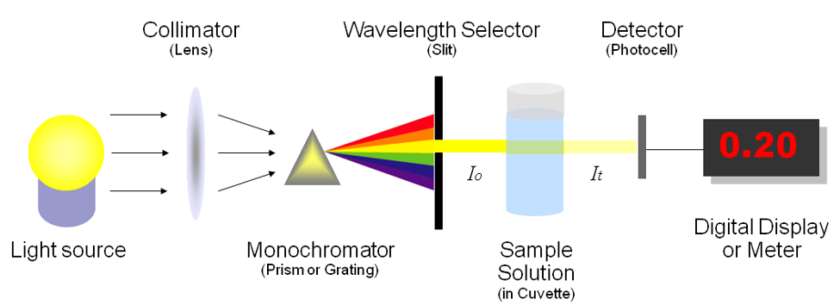
Introduction A colorimeter is a device used in colorimetry. The word generally refers to the device that measures the absorbance of particular wavelengths of light by a specific solution. This device is most commonly used to determine the concentration of a known solute in a given solution by the application of the Beer-Lambert law. Principle
COLORIMETRY- Simplified Read More »