Cancer

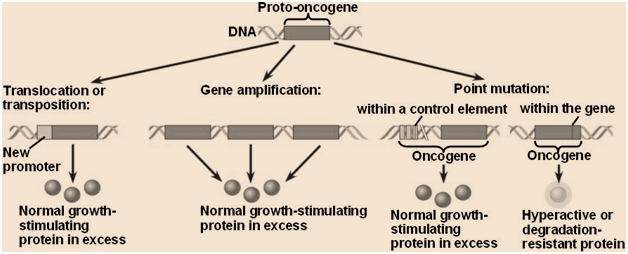
Oncogenes in Human Cancer: A Deep Dive

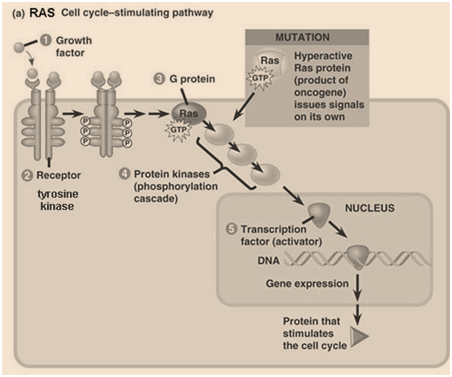
Oncogenes are key drivers of cancer, originating from proto-oncogenes that regulate normal cell functions. When mutated or overexpressed, they lead to uncontrolled cell growth and tumor formation. This article explores the molecular mechanisms of oncogene activation, including point mutations, gene amplification, chromosomal rearrangements, and viral insertional mutagenesis. Understanding these pathways has paved the way for targeted cancer treatments, offering new hope in oncology research and patient care.

Oncogenes in Human Cancer: A Deep Dive Read More »
Tumor Markers: Key to Early Cancer Detection & Monitoring

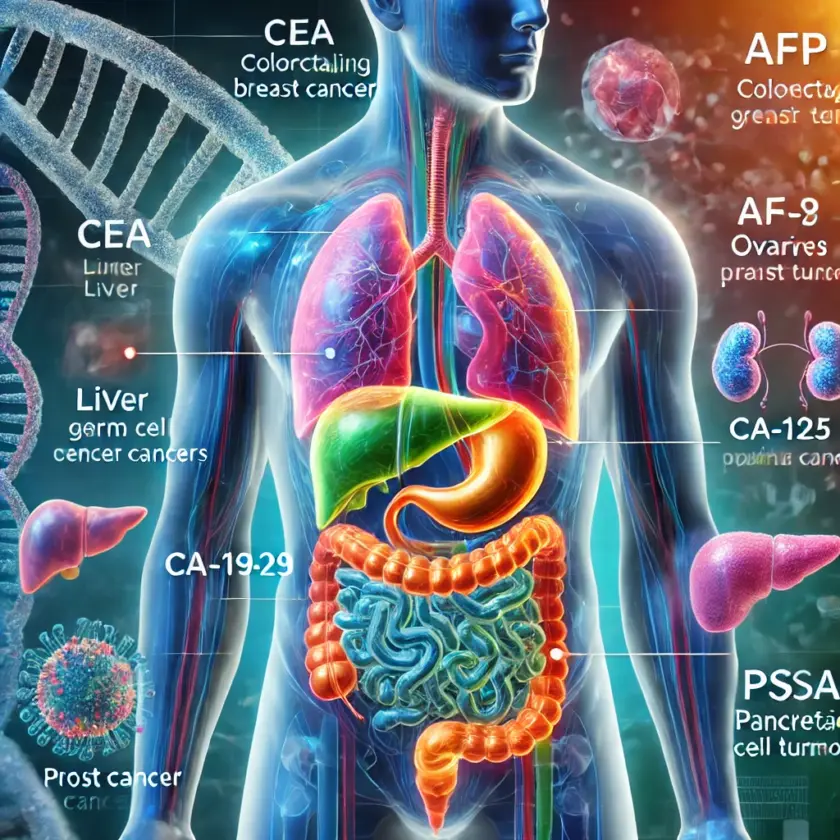
Tumor markers are essential tools in cancer screening, diagnosis, and treatment monitoring. This guide covers the classification of tumor markers, their role in oncology, and easy mnemonics for memorization. Discover how biomarkers like CEA, AFP, CA-125, and PSA help detect and track various cancers. A must-read for medical professionals and students!”

Tumor Markers: Key to Early Cancer Detection & Monitoring Read More »

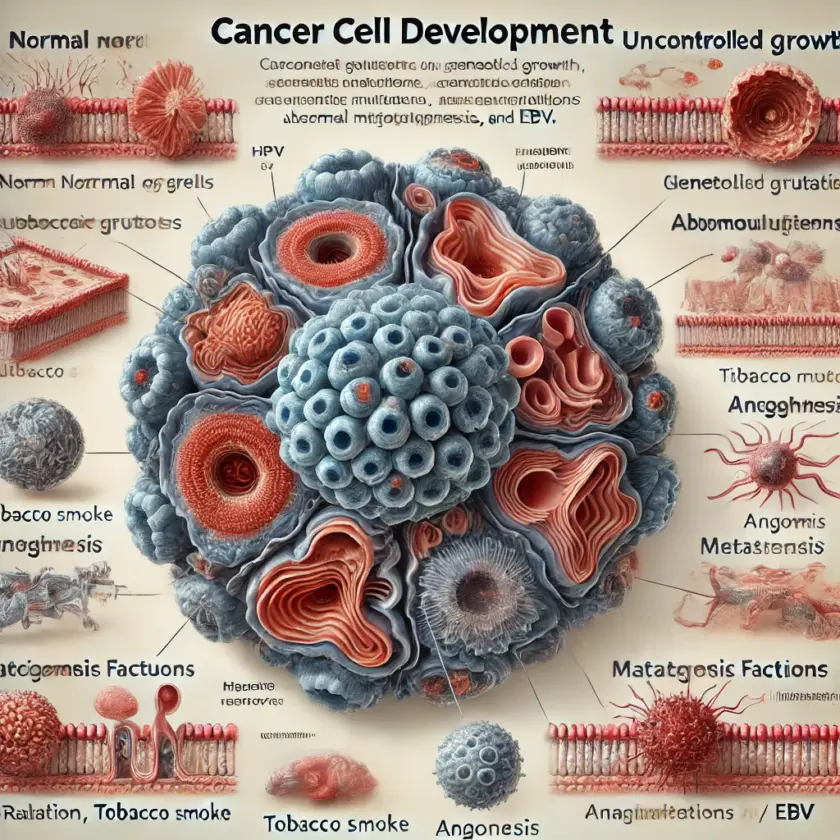
Cancer Development: Cellular Characteristics and Carcinogenic Factors

Cancer is a disease characterized by uncontrolled cell growth, invasion of local tissues, and the ability to metastasize to distant organs. This article explores the properties of cancer cells, including loss of apoptosis, metabolic reprogramming, and genetic instability. It also examines the etiology of carcinogenesis, focusing on radiation, chemical carcinogens, and viral oncogenesis. Understanding these mechanisms is crucial for cancer prevention and treatment strategies

Cancer Development: Cellular Characteristics and Carcinogenic Factors Read More »

Frequently asked long and short answer questions-cancers

1-Describe the role of tumor suppressor genes in human carcinogenesis. 2- List, giving an example for each, the ways by which proto-oncogenes can be converted to oncogenes. 3- Chromosomal translocations are the hallmark of certain human malignancies. What is known of the biochemical consequences of these cytogenic rearrangements and how these contribute to the development

Frequently asked long and short answer questions-cancers Read More »

Multiple-choice questions- Cancers

Q.1- Enzymes of which type are responsible for converting Pro carcinogens to Ultimate carcinogens? a) Cytochrome P 450 enzyme system b) Hydrolase c) Transferases d) Acetylases e) Polyamine oxidases Q.2- Which of the following is the most commonly mutated oncogene in cancer? a) p53 b) abl c) ras d) myc e) BRCA Q.3- A 23-year-old woman is

Multiple-choice questions- Cancers Read More »

Biochemistry of cancer cells- Lecture-1

“International Union Against cancer” has defined Cancer as a disturbance of growth, characterized by excessive proliferation of cells without apparent relation to the physiological demands of the organ involved. Properties of cancer cells Three important properties- 1) Diminished or unrestricted control of growth 2) The capability of invasion of local tissues 3) Capable of spreading

Biochemistry of cancer cells- Lecture-1 Read More »

Cancers- lecture-2 (tumor suppressor genes)

Cancer susceptibility genes There are two major classes of cancer susceptibility genes. A) Genes affecting cell growth- These genes exert their effects on tumor growth through their ability to control cell division (cell birth) or cell death (apoptosis).There are two types of genes affecting cell growth. Tumor suppressor genes– negatively affect cell growth. The normal

Cancers- lecture-2 (tumor suppressor genes) Read More »

Oncogenes- lecture-3

Oncogenes in Human Cancer Oncogenes are cancer susceptibility genes. Proto-oncogenes are normal genes that are present in normal cells and are involved in normal growth and development. Under certain circumstances due to the effect of certain processes protooncogenes are converted to Oncogenes. Significance of Proto-oncogenes In the normal cellular environment, proto-oncogenes have crucial roles in

Oncogenes- lecture-3 Read More »

Anticancer drugs- lecture- 4

Anticancer drugs The goal of cancer treatment is first to eradicate cancer. If this primary goal cannot be accomplished, the goal of cancer treatment shifts to palliation, the amelioration of symptoms, and preservation of quality of life while striving to extend life. Cancer treatments are divided into four main types: surgery, radiation therapy (including photodynamic

Anticancer drugs- lecture- 4 Read More »

×