
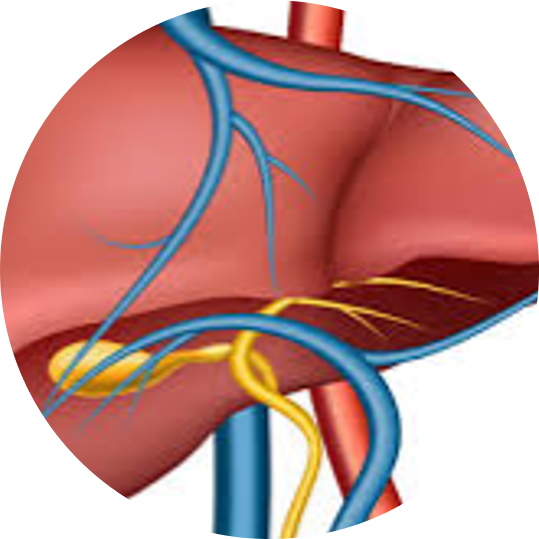
Heme synthesis and degradation- a quick revision and self-assessment
Heme synthesis and degradation- a quick revision and self-assessment Read More »
Q.1- Which of the following is not a hemoprotein? a) Tryptophan pyrrolase b) Tyrosinase c) Myoglobin d) Cytochrome P450 Q.2- Which of the following enzymes catalyzes a rate-limiting step in the haem biosynthesis pathway? a) ALA synthase b) ALA dehydratase c) PBG deaminase d) Coproporphrinogen oxidase Q.3- High lead levels can affect heme metabolism by
Haem synthesis and degradation-Multiple-choice questions Read More »
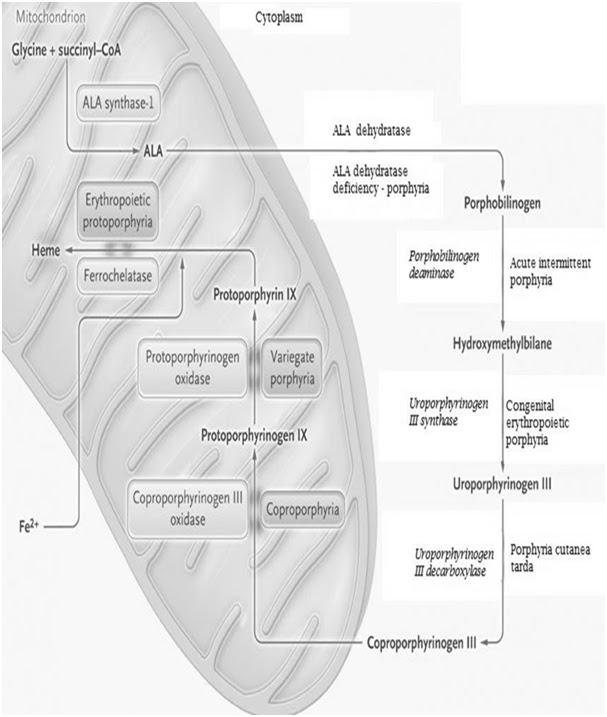
A 30-year-old woman had severe abdominal pain, nausea, vomiting and diarrhea. Evaluations including upper and lower endoscopies did not establish any intestinal infection. She gradually improved and was discharged after 2 weeks. 2 years later she was admitted to a psychiatric unit with acute mental changes and hallucinations, she had to be transferred to the
Case study- Porphyria Read More »
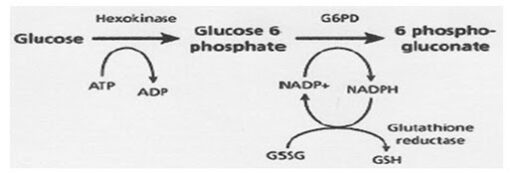
Case study-1 A 24 –year –old male suffering from Malaria was put on Primaquine. He developed malaise, fatigue and yellow discoloration of sclera and skin. On examination – There was pallor- ++, icterus ++, Pulse – 100/min., Temperature 102°F. The liver and spleen were palpable. The investigation report was as follows- Hb-5gm% TLC-13000 cmm esp. polymorphs
Case studies – Jaundice Read More »
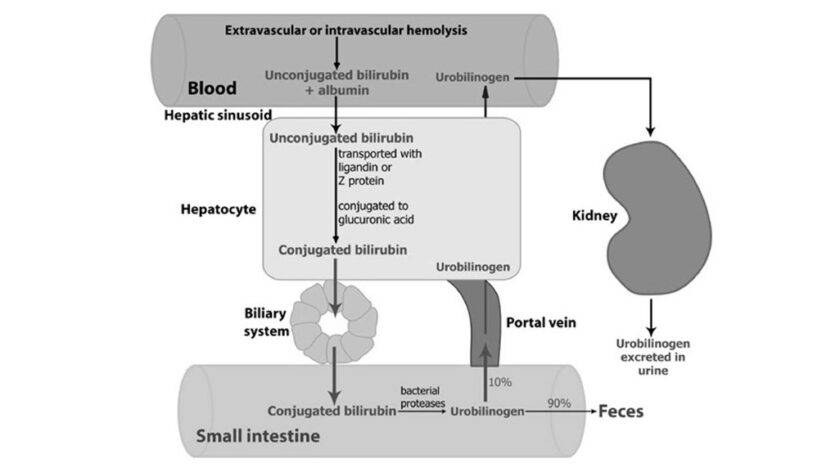
Bilirubin is the end product of heme degradation. From 70–90% of bilirubin is derived from degradation of the hemoglobin of senescent red blood cells. Bilirubin produced in the periphery is transported to the liver within the plasma, where, due to its insolubility in aqueous solutions, it is tightly bound to albumin. Under normal circumstances, bilirubin
Jaundice- An overview Read More »