Quick revisions

Vitamin Deficiencies and Impairments in Carbohydrate Metabolism

“Vitamins play essential roles in carbohydrate metabolism by acting as coenzymes or precursors for enzymes. Deficiencies in vitamins like Thiamine, Riboflavin, and Niacin can impair critical biochemical reactions, such as the conversion of pyruvate to acetyl-CoA or oxidation in the TCA cycle, leading to conditions like lactic acidosis and energy deficits. Discover the intricate biochemical pathways affected and their physiological impacts in our detailed analysis.”

Vitamin Deficiencies and Impairments in Carbohydrate Metabolism Read More »
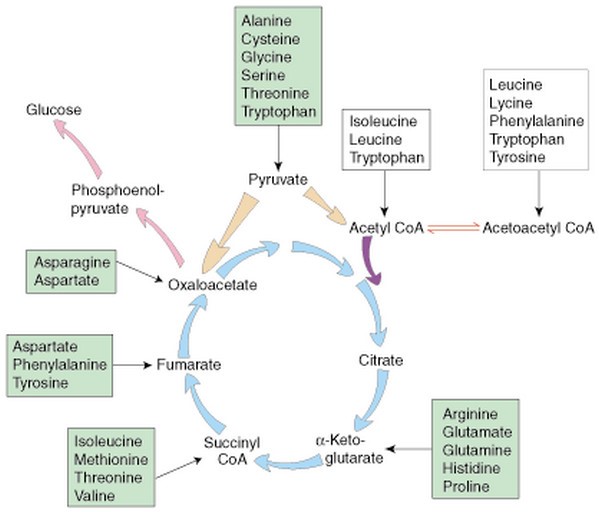
Amino acids associated with the TCA cycle and their entry points (with easy mnemonics)

Here’s a table showing the amino acids associated with each intermediate and helpful mnemonics to aid memorization: Intermediate Amino Acids Associated Mnemonic for Amino Acid Entry Points Pyruvate Glycine, Alanine, Serine, Cysteine, Threonine, Tryptophan, Hydroxyproline G – Glycine A – Alanine S – Serine C – Cysteine T – Threonine T – Tryptophan H – Hydroxyproline

Amino acids associated with the TCA cycle and their entry points (with easy mnemonics) Read More »

Glycogen storage diseases with mnemonics to aid memorization

A table summarizing the main glycogen storage diseases (GSDs) with enzyme defects, key clinical features, and mnemonics to aid memorization: Glycogen Storage Disease Enzyme Defect Key Clinical Features Mnemonic Type I: von Gierke Disease (GSD I) Glucose-6-phosphatase Severe fasting hypoglycemia, hepatomegaly, lactic acidosis, hyperlipidemia, hyperuricemia “von Gierke: ‘G6P’s Gone, Liver Left Low” Type II: Pompe

Glycogen storage diseases with mnemonics to aid memorization Read More »

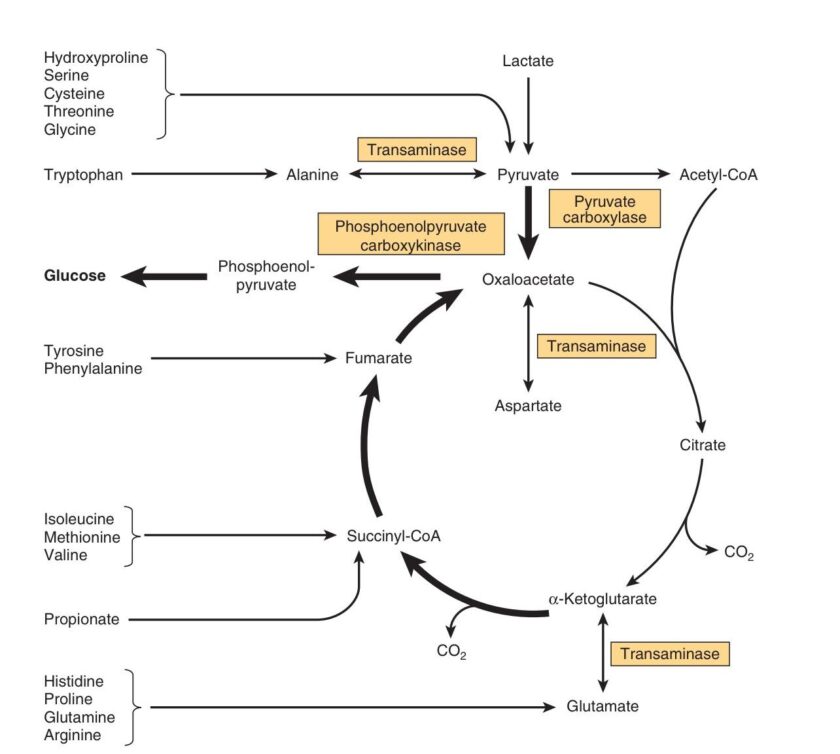
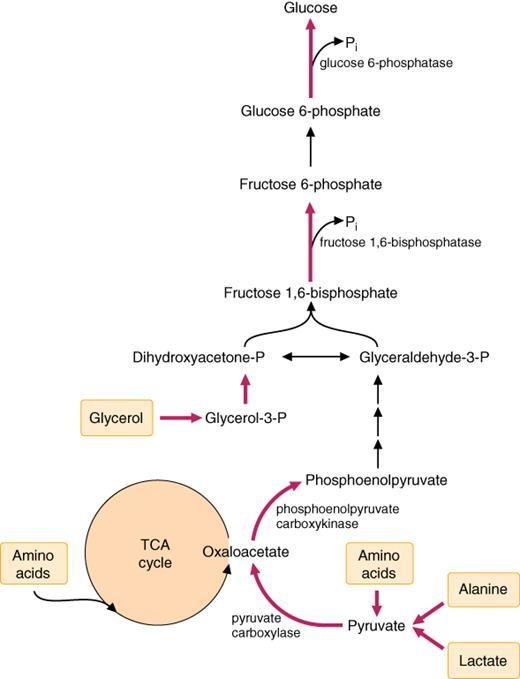
Gluconeogenesis: Pathways, Substrates, and Key Enzymes Explained with mnemonics

Gluconeogenesis Gluconeogenesis is a vital metabolic process that allows the body to synthesize glucose from non-carbohydrate sources, ensuring a continuous supply of glucose, especially during fasting or intense exercise. Below, we explore how key substrates enter gluconeogenesis and the role of specific enzymes with easy-to-remember mnemonics to simplify learning.     Figure 1: Gluconeogenesis and

Gluconeogenesis: Pathways, Substrates, and Key Enzymes Explained with mnemonics Read More »

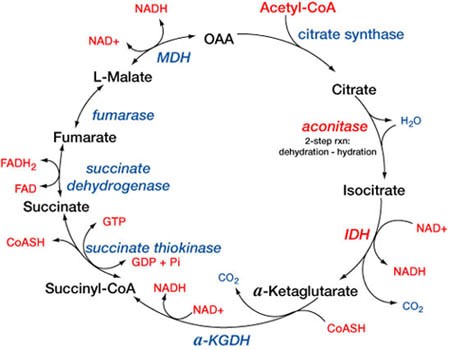
Amphibolic Role of the TCA Cycle with Mnemonics

The TCA cycle (Krebs cycle) serves as a central hub for both catabolic (energy-producing) and anabolic (biosynthetic) processes, making it a dual-purpose amphibolic pathway. Below is a table that summarizes the catabolic and anabolic roles of the TCA cycle, along with mnemonics to make these concepts easier to remember. Catabolic Role of the TCA Cycle:

Amphibolic Role of the TCA Cycle with Mnemonics Read More »

Amino acids associated with the TCA cycle and helpful mnemonics to aid memorization

Here’s a table showing the amino acids associated with each intermediate and helpful mnemonics to aid memorization: Intermediate Amino Acids Associated Mnemonic for Amino Acid Entry Points Pyruvate Glycine, Alanine, Serine, Cysteine, Threonine, Tryptophan, Hydroxyproline G – Glycine A – Alanine S – Serine C – Cysteine T – Threonine T – Tryptophan H – Hydroxyproline

Amino acids associated with the TCA cycle and helpful mnemonics to aid memorization Read More »

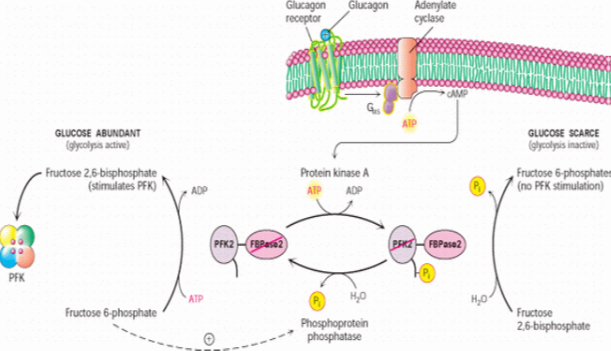
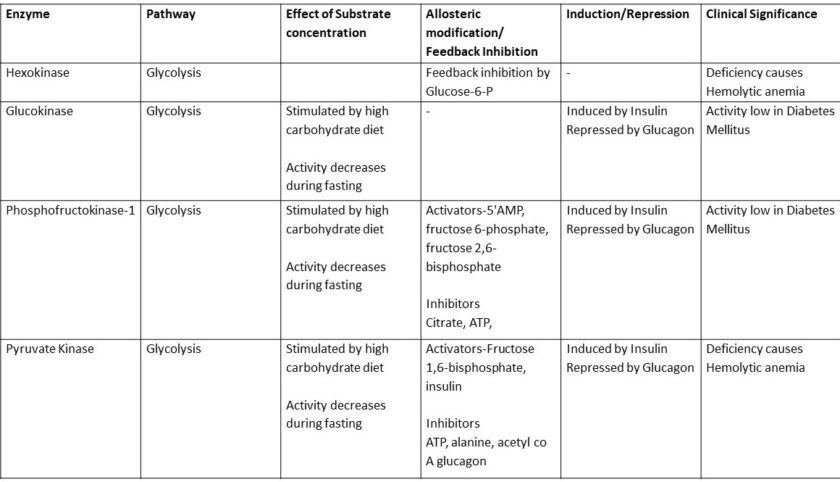
Summary of Regulation of Glycolysis

Glycolysis is the metabolic pathway that converts glucose into pyruvate, generating ATP and NADH in the process. It occurs in the cytoplasm of cells and is essential for energy production. Glycolysis is regulated at multiple levels to match energy demand with supply. Modes of Glycolysis Regulation Substrate Concentration The availability of glucose directly influences the

Summary of Regulation of Glycolysis Read More »

A Summary Of Glycolysis

🎧 Episode Summary: Welcome to Biochem Bytes, your go-to podcast for mastering core biochemistry topics in minutes. In today’s episode, we’re breaking down glycolysis—the central pathway of glucose metabolism. Glycolysis Simplified: Glycolysis is a 10-step metabolic pathway that occurs in the cytoplasm of all cells. It converts one molecule of glucose (a 6-carbon sugar) into

A Summary Of Glycolysis Read More »

Summary- Regulation of Major Pathways Of Carbohydrate metabolism

Enzyme Pathway Effect of Substrate Concentration Allosteric Modification/ Feedback Inhibition Induction/Repression Clinical Significance Hexokinase Glycolysis Feedback inhibition by Glucose-6-P – Deficiency causes Hemolytic anemia. Glucokinase Glycolysis Stimulated by a high carbohydrate diet   Activity decreases during fasting – Induced by Insulin Repressed by Glucagon Activity low in Diabetes Mellitus Phosphofructokinase-1 Glycolysis Stimulated by a high

Summary- Regulation of Major Pathways Of Carbohydrate metabolism Read More »

×