Library

Understanding DNA Transcription and Post-Transcriptional Modifications: Key Mechanisms and Clinical Implications

Explore the intricate process of DNA transcription and post-transcriptional modifications, including mRNA processing, splicing, and regulatory mechanisms. Learn about their significance in gene expression, protein synthesis, and disease pathogenesis.
Understanding DNA Transcription and Post-Transcriptional Modifications: Key Mechanisms and Clinical Implications Read More »

Genetic Code and Translation: Deciphering the Blueprint of Life

1. The following are all characteristics of the genetic code except: a) Universalb) Degeneratec) Non-overlappingd) Ambiguous Correct Answer: d) Ambiguous Explanation: The genetic code has several key characteristics: Universal → The same codons specify the same amino acids across nearly all organisms, with few exceptions (e.g., mitochondrial genomes). Degenerate → Multiple codons can code for

Genetic Code and Translation: Deciphering the Blueprint of Life Read More »

Understanding DNA Repair: 15 High-Yield Case-Based Questions

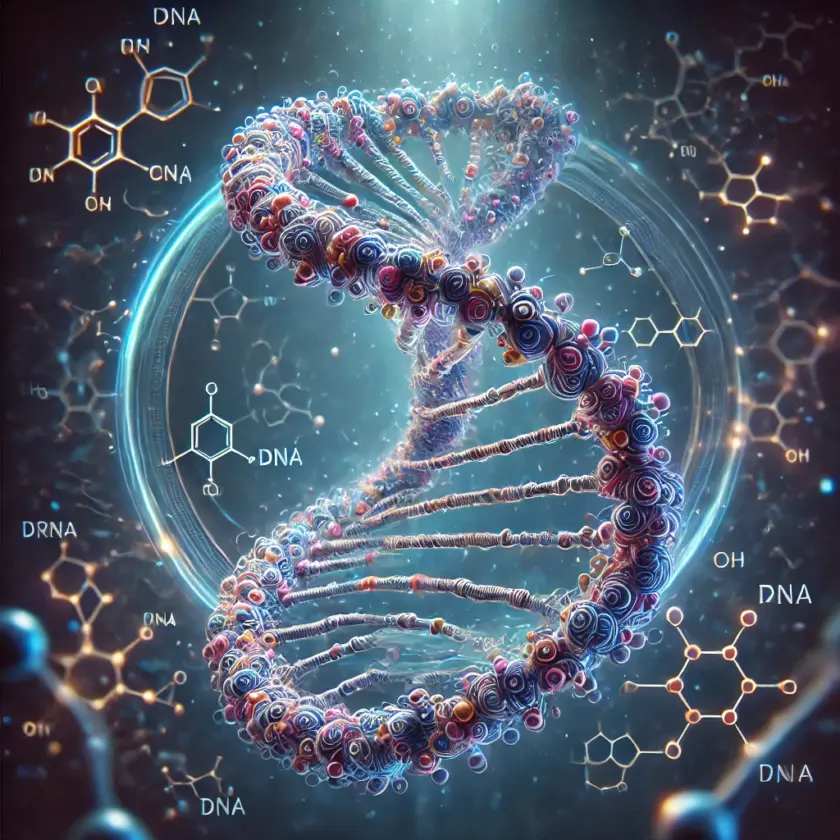
Test your knowledge of DNA damage and repair with 15 case-based multiple-choice questions (MCQs). This post covers essential repair mechanisms, including homologous recombination, base excision repair, mismatch repair, and nucleotide excision repair, with clinical applications in genomic instability, cancer biology, and radiation sensitivity. A must-read for medical students, geneticists, and oncology researchers!

Understanding DNA Repair: 15 High-Yield Case-Based Questions Read More »

Case-Based Questions on DNA Replication | Prokaryotic & Eukaryotic DNA Replication Quiz

Enhance your understanding of DNA replication with these clinical and experimental case-based questions on prokaryotic and eukaryotic replication mechanisms. Explore topics like Okazaki fragments, DNA polymerases, proofreading, telomerase, topoisomerases, and replication origins. Designed for medical students, biology enthusiasts, and researchers, these questions help apply molecular biology concepts in real-world scenarios.

Case-Based Questions on DNA Replication | Prokaryotic & Eukaryotic DNA Replication Quiz Read More »

25 Case-Based MCQs on Cytoskeleton: Test Your Medical Knowledge!

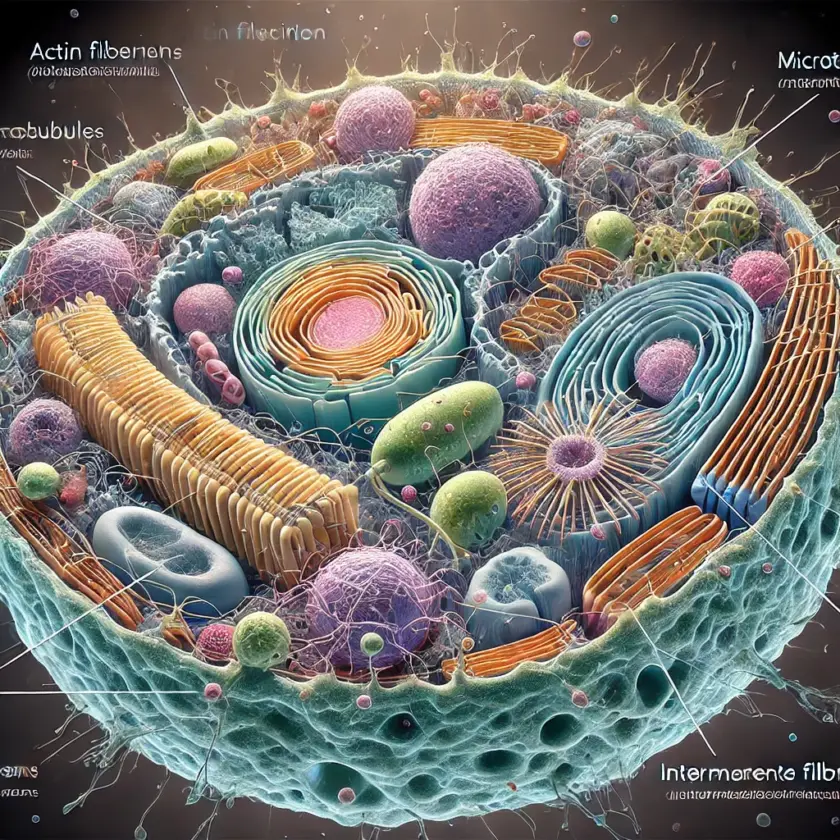
Ever wondered how the cytoskeleton supports cellular structure and movement? 🧬 Dive into 25 case-based multiple-choice questions that challenge your understanding of microtubules, actin filaments, intermediate filaments, and cytoskeletal disorders. Ideal for medical students, USMLE prep, and cell biology learners. Let’s test your knowledge!

25 Case-Based MCQs on Cytoskeleton: Test Your Medical Knowledge! Read More »

Case-Based MCQs on RNA Structure and Function: Test Your Knowledge

Case 1: RNA Virus Mutation A researcher is studying a new RNA virus. Unlike DNA viruses, RNA viruses mutate more rapidly. The researcher finds that this rapid mutation is linked to the virus’s single-stranded RNA structure. Question 1: Why does the single-stranded nature of RNA contribute to the high mutation rate in RNA viruses? A)

Case-Based MCQs on RNA Structure and Function: Test Your Knowledge Read More »

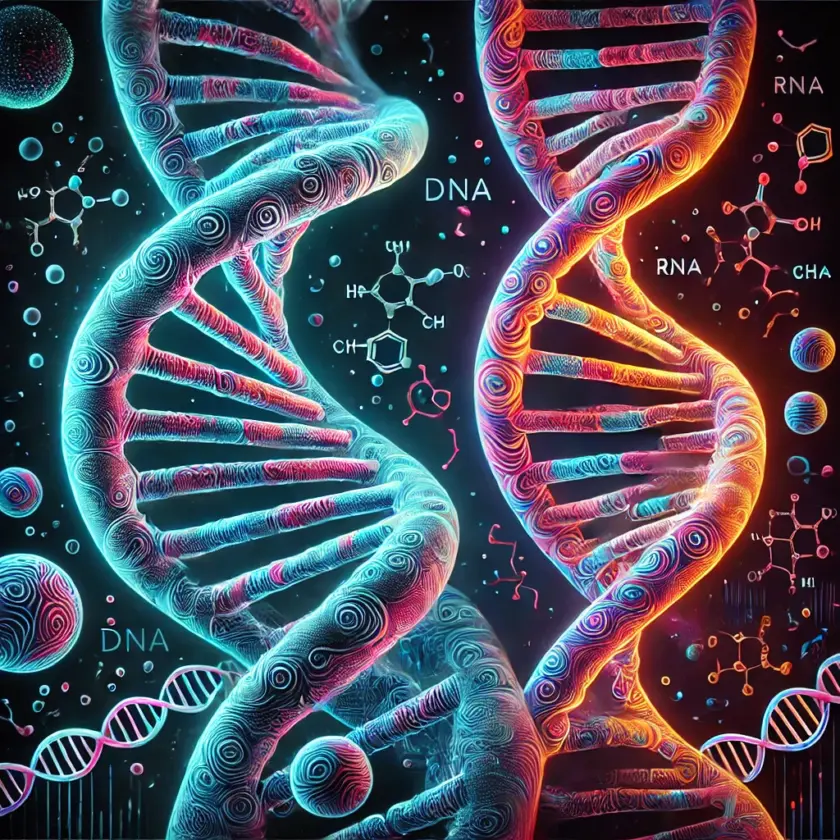
The Blueprint of Life: Deep Dive into DNA & RNA

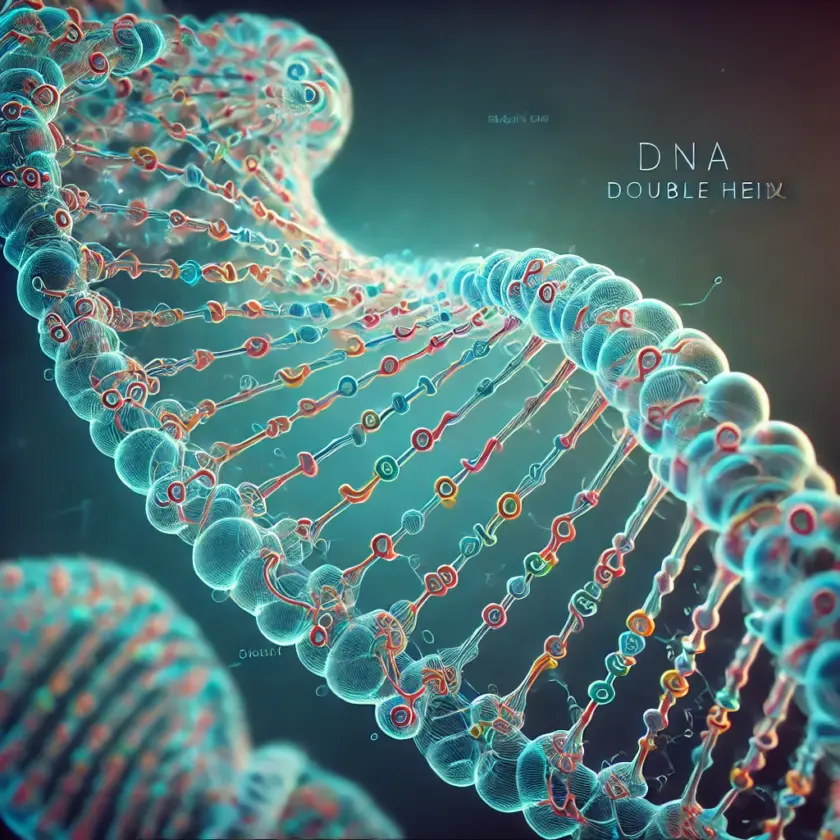
At the core of life’s complexity lies DNA and RNA—molecules that carry the instructions for growth, development, and cellular function. DNA, with its double-helix structure, serves as the long-term storage of genetic information, while RNA, its single-stranded counterpart, plays multiple roles in gene expression and protein synthesis. Understanding their interplay is crucial in fields like genomics, biotechnology, and medicine. In this episode, we unravel their secrets, from replication to transcription and translation, providing a comprehensive look at life’s molecular foundation,

The Blueprint of Life: Deep Dive into DNA & RNA Read More »

Case-Based Multiple-Choice Questions on DNA Structure and Organization

Understanding DNA structure and organization is crucial in molecular biology and medicine. This guide covers key concepts like nucleosome assembly, euchromatin vs. heterochromatin, histone modifications, and DNA packaging, with exam-style case-based questions to enhance learning.

Case-Based Multiple-Choice Questions on DNA Structure and Organization Read More »

×