Library

Transcription (part -2) Prokaryotic V/S Eukaryotic transcription

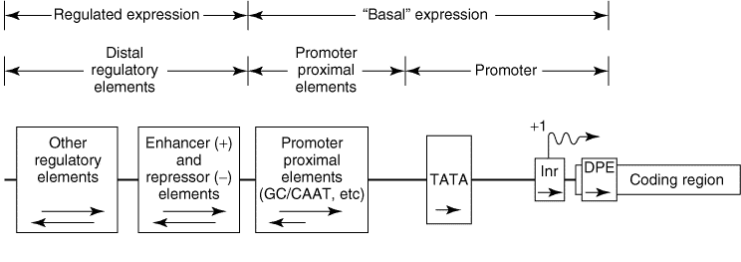
The general transcription process can be applied to both prokaryotic and eukaryotic cells. The basic biochemistry for each is the same; however, the specific mechanisms and regulation of transcription differ between prokaryotes and eukaryotes.  Transcription of eukaryotic genes is a far more complicated process than prokaryotes. The important points of differences are as follows: 1) […]

Transcription (part -2) Prokaryotic V/S Eukaryotic transcription Read More »
Transcription-Lecture-1

RNA Synthesis The synthesis of an RNA molecule from DNA is called Transcription. All eukaryotic cells have five major classes of RNA: ribosomal RNA (rRNA), messenger RNA (mRNA), transfer RNA (tRNA), and small nuclear RNA and microRNA (snRNA and miRNA). The first three are involved in protein synthesis, while the small RNAs are involved in mRNA

Transcription-Lecture-1 Read More »

Translation- Multiple-choice questions

1. The following are all characteristics of the genetic code except: Universal Degenerate Non-overlapping Ambiguous 2. Which of the following statements is not true concerning the role of Aminoacyl t-RNA synthetases: Charging an aminoacyl t-RNA synthetase (loading) with an amino acid is an energetically favorable reaction. For every amino acid, there are several Aminoacyl t-RNA

Translation- Multiple-choice questions Read More »

DNA Damage And Repair

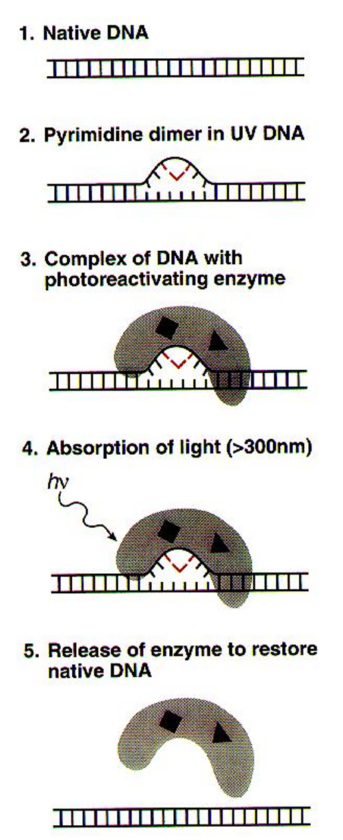
DNA in the living cell is subjected to many chemical alterations. If the genetic information encoded in the DNA is to remain uncorrupted, any chemical changes must be corrected. A failure to repair DNA produces a mutation. Agents that Damage DNA Radiations- Highly reactive oxygen radicals produced during normal cellular respiration as well as by other biochemical pathways Ionizing

DNA Damage And Repair Read More »

DNA Replication- A Quick Revision (lecture-2)

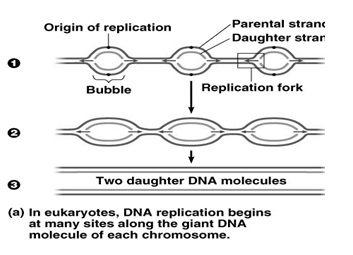
DNA Replication Basis for inheritance The fundamental process occurring in all cells for copying DNA to transfer the genetic information to daughter cells Each cell must replicate its DNA before division. Salient features of DNA replication 1) Semi-conservative Parental strands are not degraded Base pairing allows each strand to serve as a template for a

DNA Replication- A Quick Revision (lecture-2) Read More »

DNA Replication-Lecture-1

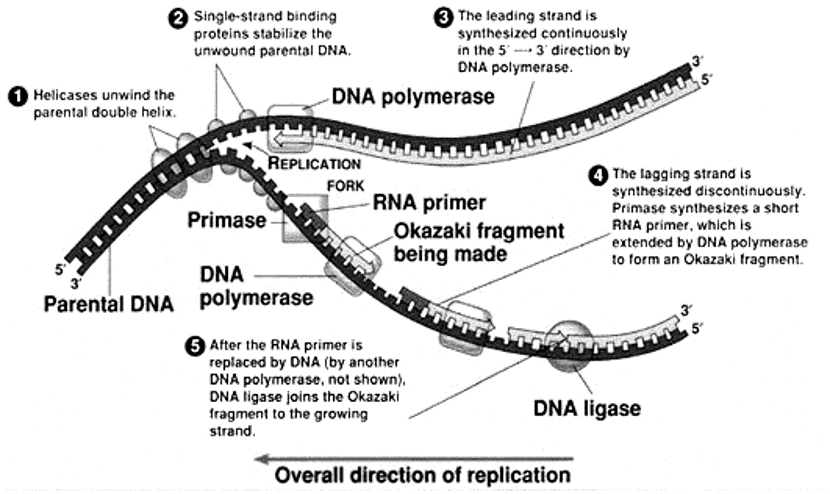
DNA Replication: the process of DNA Synthesis Purpose of replication Basis for inheritance The fundamental process occurring in all cells for copying DNA to transfer the genetic information to daughter cells Each cell must replicate its DNA before division. Salient features of DNA replication 1) Semi conservative Parental strands are not degraded Base pairing allows

DNA Replication-Lecture-1 Read More »

RNA Structure, types, and functions- a quick revision

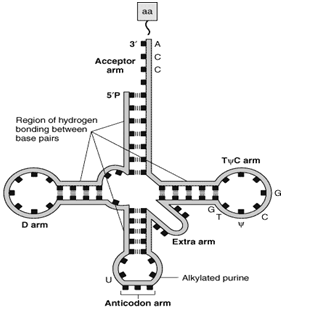
RNA (Ribonucleic acid ) Ribonucleic acid (RNA) is a polymer of purine and pyrimidine ribonucleotides linked together by 3′,5′-phosphodiester bridges analogous to those in DNA (Figure-1). Figure 1- Showing an RNA fragment, the ribonucleotides are linked together by 3′-5′ phosphodiester linkages.  Ribose is the principal sugar in RNA  Differences between RNA and DNA Although sharing

RNA Structure, types, and functions- a quick revision Read More »

DNA Structure and Functions (a quick Revision)

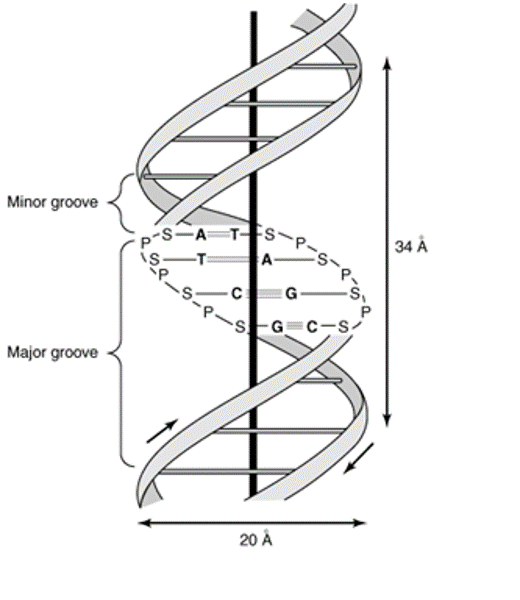
DNA DNA – a polymer of deoxyribonucleotides found in chromosomes, mitochondria, and chloroplasts carries the genetic information. DNA structure a) Primary structure (figure-1) Represents the linear sequence of deoxyribonucleotides linked together by 3′-5′ phosphodiester linkages The informational content of DNA resides in the sequence in which monomers—purine and pyrimidine deoxyribonucleotides—are ordered. The polymer, as depicted,

DNA Structure and Functions (a quick Revision) Read More »

Tay-Sachs disease- a case based discussion

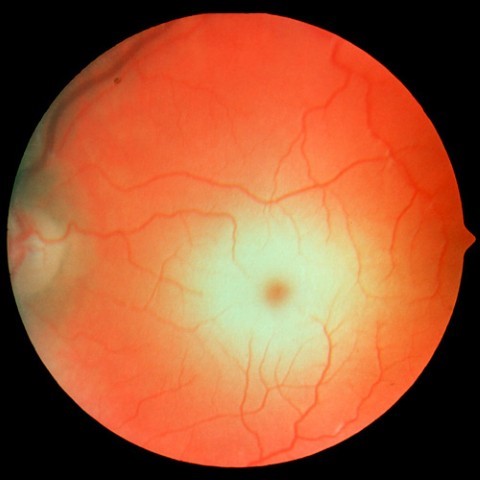
Case details A boy was born normal but started flinching at loud noises (enhanced startle response) at the age of 6 months. The child initially could sit up but then regressed so that he could not roll over or recognize his parents. Ophthalmological examination revealed a central red area of the retina surrounded by white

Tay-Sachs disease- a case based discussion Read More »

Case study- Gaucher disease

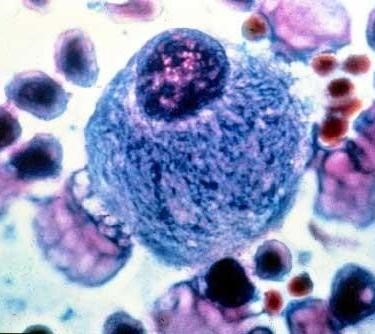
Case Details A 25 –year-old woman presents, with a history that includes- a) Hepatosplenomegaly with eventual removal of the spleen b) Bone and joint pains with several fractures of the femur. c) A liver biopsy that shows wrinkled-looking cells with an accumulation of Glucosyl ceramide, What would be the likely diagnosis for this patient? Case

Case study- Gaucher disease Read More »

×