USMLE Style questions

Biochemistry Challenge- Part 2

“Explore real-world applications of biochemistry through 21 engaging questions that connect metabolic pathways to clinical insights. Tackle scenarios like cyanide poisoning, enzyme regulation, metabolic disorders, and more. Sharpen your critical thinking as you dive into the intricacies of glycolysis, amino acid metabolism, and energy production. A must-read for anyone looking to bridge biochemistry with clinical practice!”

Biochemistry Challenge- Part 2 Read More »
Clinical Biochemistry Case Studies: Master Carbohydrate, Amino Acid Metabolism & Enzyme Dynamics

Through 25 hypothetical clinical cases and scenarios, this activity challenges learners to integrate concepts of carbohydrate metabolism, amino acid metabolism, oxidative phosphorylation, and enzyme dynamics. Participants will encounter questions highlighting real-world clinical relevance, such as the role of glycolytic intermediates, gluconeogenesis regulation, enzyme inhibition, and metabolic dysfunction in diseases like vitamin deficiencies and hyperammonemia. This engaging exploration enhances critical thinking and bridges biochemical theory with clinical practice.

Clinical Biochemistry Case Studies: Master Carbohydrate, Amino Acid Metabolism & Enzyme Dynamics Read More »

Explanations of Quiz on Nucleotide Metabolism

Enzymatic defects in purine and pyrimidine metabolism can present with diverse clinical features, including failure to thrive, megaloblastic anemia, hyperuricemia, or hyperammonemia. Key disorders include UMP synthase deficiency (orotic aciduria), OTC deficiency, ADA deficiency leading to SCID, and Lesch-Nyhan syndrome. Regulation through feedback inhibition and enzyme targets like ribonucleotide reductase are essential concepts for understanding metabolism and clinical interventions.

Explanations of Quiz on Nucleotide Metabolism Read More »

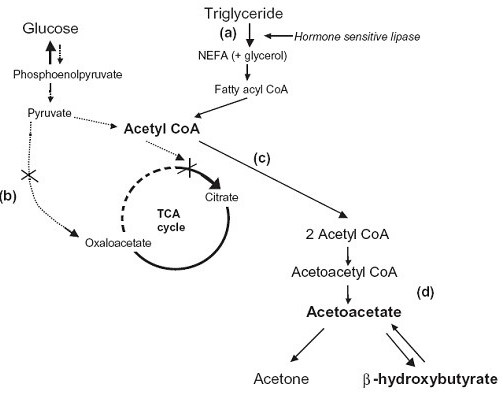
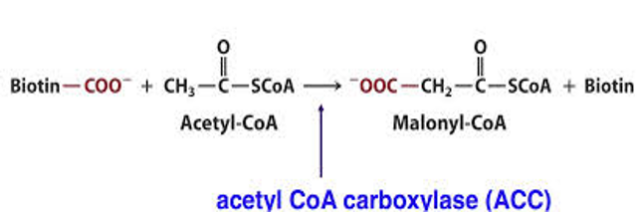
“Clinical Biochemistry: Fatty Acid Metabolism, Ketogenesis, and Energy Regulation”

“Discover key insights into fatty acid metabolism, ketogenesis, and triglyceride synthesis through clinical scenarios. This guide explains enzyme deficiencies like MCAD, hormonal regulation by insulin, and the role of beta-oxidation and omega oxidation pathways in energy production.”

“Clinical Biochemistry: Fatty Acid Metabolism, Ketogenesis, and Energy Regulation” Read More »

Comprehensive MCQs on Nucleotide Metabolism and Enzyme Deficiencies- A quiz for self-assessment

Dive into a series of multiple-choice questions focused on nucleotide metabolism and related enzyme deficiencies. This collection covers key topics such as UMP synthase deficiency, feedback inhibition mechanisms, purine and pyrimidine synthesis, and metabolic disorders affecting nucleotide pathways. Each question is accompanied by in-depth explanations to enhance your learning experience.

Comprehensive MCQs on Nucleotide Metabolism and Enzyme Deficiencies- A quiz for self-assessment Read More »

Fatty acid and Triglyceride metabolism- a quiz for self-assessment

“Dear students,
Assess your understanding of fatty acid and triglyceride metabolism with this 32-question timed quiz. Complete it in one sitting and attempt it multiple times to solidify your knowledge. Explanations for all questions will be available tomorrow. Start your self-assessment journey today!”

Fatty acid and Triglyceride metabolism- a quiz for self-assessment Read More »

Genetics- Chromosomal disorders, Mitochondrial inheritance, and Population Genetics

“Genetics offers insights into the mechanisms of inheritance, from chromosomal disorders to mitochondrial DNA traits. Learn how pedigree analysis can reveal inheritance patterns, Hardy-Weinberg equilibrium helps predict population-level genetic outcomes, and real-life cases like Cri-du-chat syndrome illuminate chromosomal abnormalities.”

Genetics- Chromosomal disorders, Mitochondrial inheritance, and Population Genetics Read More »

Single Gene Inheritance- Multiple-Choice Questions

1. A 7-year-old boy presents with recurrent bacterial and fungal infections. He has a history of abscess formation in multiple organs. His mother is asymptomatic, but her brother had similar infections and died as a child. Genetic analysis reveals a mutation in the gene encoding NADPH oxidase. What is the most likely mode of inheritance?

Single Gene Inheritance- Multiple-Choice Questions Read More »

Nucleotide metabolism-Multiple-choice questions with explanations

Question 1: A 3-month-old male infant presents with delayed motor development and orange, sand-like crystals in his diaper. His parents report he constantly chews on his fingers and lips, causing bleeding. Based on these symptoms, what is the most likely diagnosis? A. Adenosine deaminase deficiency B. Gouty arthritis C. Lesch-Nyhan Syndrome D. Orotic aciduria E.

Nucleotide metabolism-Multiple-choice questions with explanations Read More »

Fructose and Galactose metabolism- Multiple-choice questions with explanations

1. An exclusively breast-fed infant presents with vomiting, weight loss, jaundice, hepatomegaly, and bilateral cataracts. Which condition is most likely responsible for these symptoms? A. Breast milk jaundice B. Classical Galactosemia C. Hereditary fructose intolerance D. Type 1 Diabetes mellitus E. Von Gierke’s disease Correct Answer: B. Classical Galactosemia Explanation: Classical galactosemia is a rare

Fructose and Galactose metabolism- Multiple-choice questions with explanations Read More »

×