USMLE Style questions

PDH complex and the TCA cycle- NBME style questions set-1

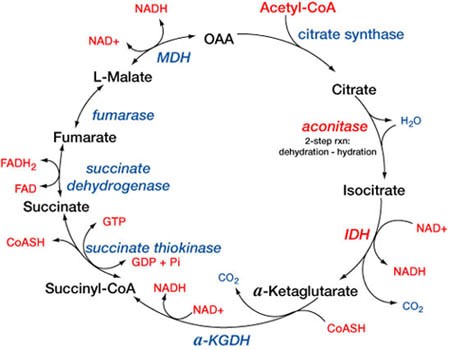
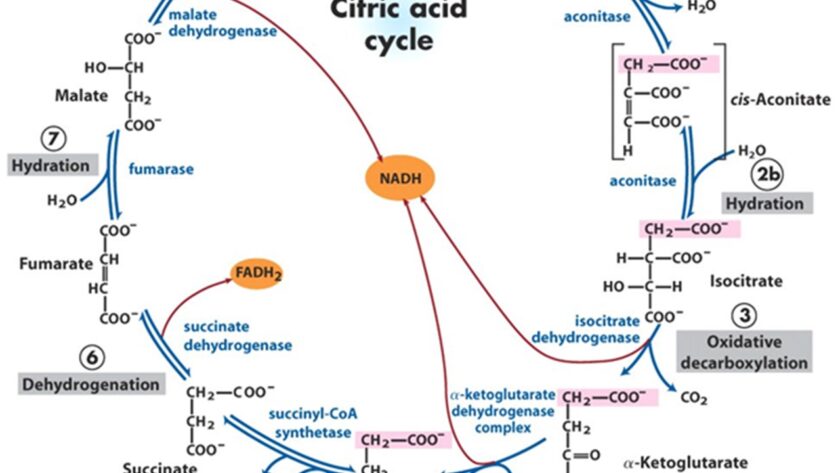
1. A 24-year-old woman presents with diarrhea, dysphagia, jaundice, and white transverse lines on her fingernails (Mee’s lines). She is diagnosed with arsenic poisoning. Arsenic poisoning inhibits which of the following enzymes? A. Citrate synthase B. Isocitrate dehydrogenase C. Malate dehydrogenase D. Succinate dehydrogenase E. α-Keto glutarate dehydrogenase complex Correct answer: E. α-Keto glutarate dehydrogenase […]

PDH complex and the TCA cycle- NBME style questions set-1 Read More »
Glycolysis Review- NBME style questions with complete explanations

Q.1 Identify the Phosphoester that is predominantly encountered in erythrocytes and plays a vital role in modulating the oxygen-binding affinity of hemoglobin: A. 1,3-Bisphosphoglycerate B. 2,3-Bisphosphoglycerate C. Fructose 1,6-bisphosphate D. Fructose 6-phosphate E. Glucose 6-phosphate The correct answer is B. 2,3-Bisphosphoglycerate (2,3-BPG): 2,3-Bisphosphoglycerate is a negatively charged molecule found in high concentrations within erythrocytes. 2,3-BPG

Glycolysis Review- NBME style questions with complete explanations Read More »

NBME-Style Case-Based Questions on the regulation of glycolysis with explanations

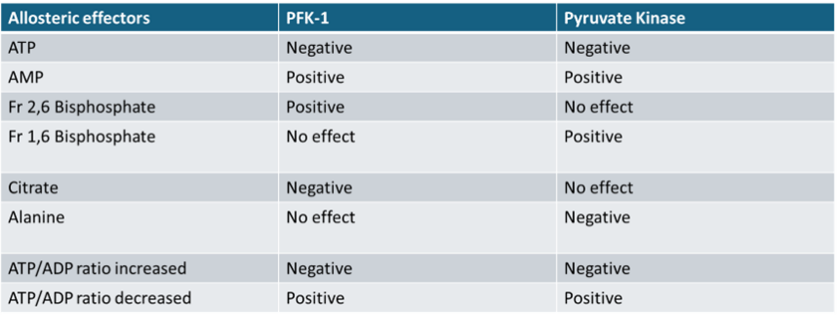
Question 1: A 25-year-old man runs a marathon. After 20 miles, his muscle cells are relying heavily on glycolysis for energy production. Which of the following changes is most likely increasing the rate of glycolysis in his muscles? A. Accumulation of alanine B. Decreased availability of glucose C. Decreased oxygen levels D. Increased AMP concentration

NBME-Style Case-Based Questions on the regulation of glycolysis with explanations Read More »

Carbohydrate Metabolism – A Quick Revision with Multiple Choice Questions Covering All Pathways

Revise the essential concepts of carbohydrate metabolism with this comprehensive set of multiple-choice questions spanning all major pathways—glycolysis, gluconeogenesis, TCA cycle, glycogen metabolism, and the pentose phosphate pathway. Ideal for USMLE prep and biochemistry exams, this resource offers rapid revision with clear explanations for each answer.

Carbohydrate Metabolism – A Quick Revision with Multiple Choice Questions Covering All Pathways Read More »

Amino Acid Metabolism- Set 2- Multiple-Choice Questions

Q.1 – A 12-year-old boy develops convulsions. After an Electroencephalogram (EEG), a neurologist determines that the child has epilepsy. He is started on benzodiazepine, which promotes the activity of GABA. GABA is derived from Glutamate by which of the following reactions?A) DeaminationB) DecarboxylationC) DehydrogenationD) HydroxylationE) TransaminationAnswer: B) DecarboxylationExplanation: GABA (gamma-aminobutyric acid) is synthesized from glutamate

Amino Acid Metabolism- Set 2- Multiple-Choice Questions Read More »

Question of the week-aggressive behavior, hyperactivity, and loss of language skills (answer)

A 6-year-old boy is seen by a pediatrician because his parents are concerned about his aggressive behavior, hyperactivity, and loss of language skills. He has recently become increasingly unsteady on his feet and has experienced a recent seizure. In addition, slight facial feature coarsening is noted. In which of the following processes is this child

Question of the week-aggressive behavior, hyperactivity, and loss of language skills (answer) Read More »

Question Of The Week-aggressive behavior, hyperactivity, and loss of language skills

A 6-year-old boy is seen by a pediatrician because his parents are concerned about his aggressive behavior, hyperactivity, and loss of language skills. He has recently become increasingly unsteady on his feet and has experienced a recent seizure. In addition, slight facial feature coarsening is noted. In which of the following processes is this child

Question Of The Week-aggressive behavior, hyperactivity, and loss of language skills Read More »

Nonessential in normal health but essential amino acid under conditions of enhanced growth or surgical recovery- Case discussion

Case details An 8-year-old child requires surgical intervention and substantial recovery time in the hospital. Therefore, a nutritionist recommends a specific dietary plan. The plan includes a protein-rich diet with the special supplementation of an amino acid that is typically considered nonessential but becomes an essential amino acid under enhanced growth or surgical recovery conditions.

Nonessential in normal health but essential amino acid under conditions of enhanced growth or surgical recovery- Case discussion Read More »

Biochemistry-Problem-based multiple choice questions

1)- Several complexes in the electron transport chain contain non-heme iron. The iron in these complexes is bound tightly to which of the following amino acids? a) Serine b) Tyrosine c) Cysteine d) Methionine e) Glutamine 2)- A 27 –year-old female with epilepsy has been taking Phenytoin to control her seizures. She is pregnant and

Biochemistry-Problem-based multiple choice questions Read More »

×