USMLE styled question bank

Question Of The Week-aggressive behavior, hyperactivity, and loss of language skills

A 6-year-old boy is seen by a pediatrician because his parents are concerned about his aggressive behavior, hyperactivity, and loss of language skills. He has recently become increasingly unsteady on his feet and has experienced a recent seizure. In addition, slight facial feature coarsening is noted. In which of the following processes is this child […]

Question Of The Week-aggressive behavior, hyperactivity, and loss of language skills Read More »
Biochemistry-Practice Questions (Problem-based multiple-choice questions)

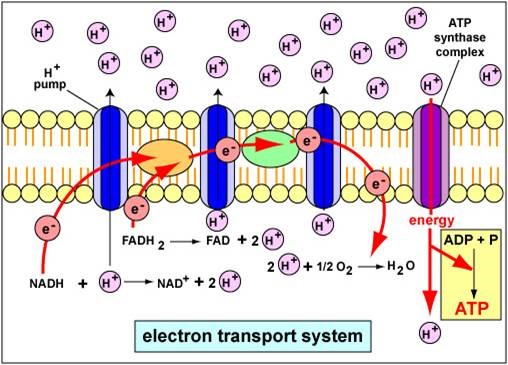
1)- Several complexes in the electron transport chain contain non-heme iron. Which of the following amino acids is bound tightly to the iron in these complexes? a) Serine b) Tyrosine c) Cysteine d) Methionine e) Glutamine 2)- A 27 –year-old female with epilepsy has been taking Phenytoin to control her seizures. She is pregnant and

Biochemistry-Practice Questions (Problem-based multiple-choice questions) Read More »

Nonessential in normal health but essential amino acid under conditions of enhanced growth or surgical recovery

Case details An 8-year-old child requires surgical intervention and substantial recovery time in the hospital. Therefore, a nutritionist recommends a specific dietary plan. The plan includes a protein-rich diet with the special supplementation of an amino acid that is typically considered nonessential but becomes an essential amino acid under enhanced growth or surgical recovery conditions.

Nonessential in normal health but essential amino acid under conditions of enhanced growth or surgical recovery Read More »

Biochemistry-Problem-based multiple choice questions

1)- Several complexes in the electron transport chain contain non-heme iron. The iron in these complexes is bound tightly to which of the following amino acids? a) Serine b) Tyrosine c) Cysteine d) Methionine e) Glutamine 2)- A 27 –year-old female with epilepsy has been taking Phenytoin to control her seizures. She is pregnant and

Biochemistry-Problem-based multiple choice questions Read More »

Starvation induced metabolic alterations

 A 23 –year- old female was brought for consultation by her mother, who was troubled by her daughter’s continuous fatigue, dizziness, and loss of weight. The patient was 6 feet 2 inches tall and weighed 100 pounds. Further questioning revealed that the young woman had been virtually fasting for four months, hoping to obtain a

Starvation induced metabolic alterations Read More »

Question of the week

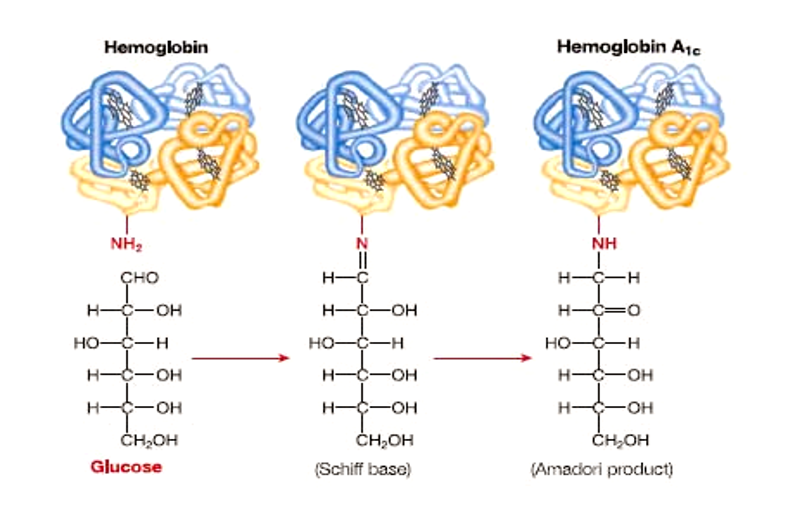
Case details A 54- year-old man with Type 1 diabetes is referred to an ophthalmologist for evaluation of developing cataracts. Blood chemistry results are shown below: Fasting blood glucose   198 mg/dl Hemoglobin A                  15 gm/dl Hemoglobin A1c             10% of total Hb Urine ketones                   Positive Urine glucose                    Positive Which of the following enzymes is most strongly

Question of the week Read More »

ATP- The energy currency within the cell

Q.- Adenosine triphosphate (ATP) is the energy currency within the cell. Which of the following best describes the type of compound ATP is? A. Phospholipid B. Amino acid C. Nucleotide D. Triacylglycerol E. Oligosaccharide. Details The correct answer is -C- Nucleotide. The nucleotide coenzyme adenosine triphosphate (ATP) is the most important form of chemical energy

ATP- The energy currency within the cell Read More »

Elevated Acyl carnitine compounds and associated hypoglycemia- What is the defect?

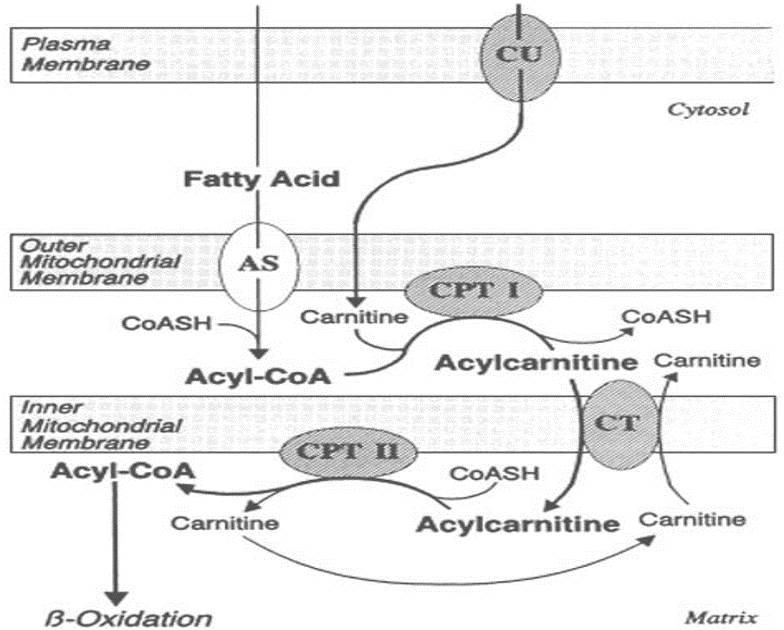
Case details  A 5- year-old boy suffered gastroenteritis for two days and was brought to the emergency in a semiconscious state. Blood glucose at the time of admission was 45 mg/dl and his urine was negative for glucose and ketone bodies. Glucose was administered intravenously, and his condition improved within 10 minutes. Subsequent laboratory investigations

Elevated Acyl carnitine compounds and associated hypoglycemia- What is the defect? Read More »

Question the week-2 (Answer)

A 65-year-old man with a history of type 2 diabetes mellitus is complaining of blurred vision and numbness in his toes. Laboratory results are significant for an increased BUN and creatinine, indicative of renal failure, and high HbA1c, indicative of chronic persistent hyperglycemia. Of the several proposed mechanisms, one mechanism responsible for hyperglycemia-induced complications in

Question the week-2 (Answer) Read More »

Impaired TCA cycle enzyme activity in angular stomatitis

A postoperative patient on intravenous fluids develops lesions in the mouth (angular stomatitis). Urinalysis indicates an excretion of 15 μg riboflavin/mg creatinine, which is abnormally low. Which of the following TCA cycle enzymes is most likely to be affected? Citrate synthase Isocitrate dehydrogenase Fumarase Malate dehydrogenase Succinate dehydrogenase Details- E) – Succinate dehydrogenase is the

Impaired TCA cycle enzyme activity in angular stomatitis Read More »

×