
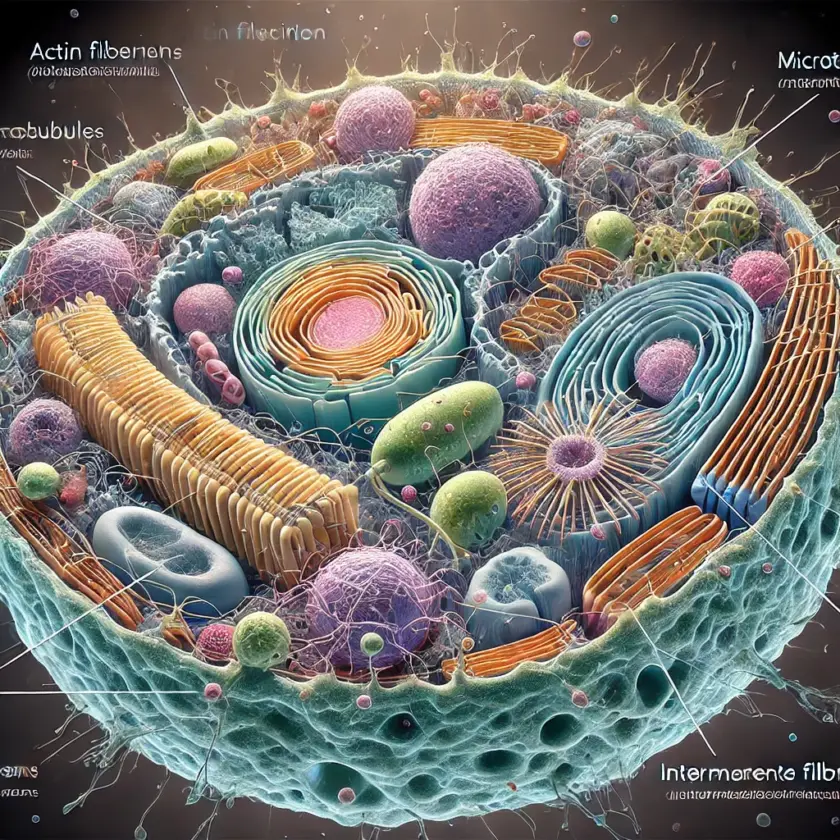
Energy metabolism
“Clinical Biochemistry: Fatty Acid Metabolism, Ketogenesis, and Energy Regulation”
“Discover key insights into fatty acid metabolism, ketogenesis, and triglyceride synthesis through clinical scenarios. This guide explains enzyme deficiencies like MCAD, hormonal regulation by insulin, and the role of beta-oxidation and omega oxidation pathways in energy production.”
“Clinical Biochemistry: Fatty Acid Metabolism, Ketogenesis, and Energy Regulation” Read More »
Fatty acid and Triglyceride metabolism- a quiz for self-assessment
“Dear students,
Assess your understanding of fatty acid and triglyceride metabolism with this 32-question timed quiz. Complete it in one sitting and attempt it multiple times to solidify your knowledge. Explanations for all questions will be available tomorrow. Start your self-assessment journey today!”
Fatty acid and Triglyceride metabolism- a quiz for self-assessment Read More »
Essential Vitamins in Metabolism: Impacts on Fatty Acid, Triglyceride, and Nucleotide Pathways
“Discover how essential vitamins like B2, B3, B6, B12, folate, and others impact fatty acid, triglyceride, and nucleotide metabolism. This detailed overview explains impaired reactions, enzymes affected, and consequences of deficiencies.”
Vitamin Deficiencies and Impairments in Carbohydrate Metabolism
“Vitamins play essential roles in carbohydrate metabolism by acting as coenzymes or precursors for enzymes. Deficiencies in vitamins like Thiamine, Riboflavin, and Niacin can impair critical biochemical reactions, such as the conversion of pyruvate to acetyl-CoA or oxidation in the TCA cycle, leading to conditions like lactic acidosis and energy deficits. Discover the intricate biochemical pathways affected and their physiological impacts in our detailed analysis.”
Vitamin Deficiencies and Impairments in Carbohydrate Metabolism Read More »
Fructose and Galactose metabolism- Multiple-choice questions with explanations
1. An exclusively breast-fed infant presents with vomiting, weight loss, jaundice, hepatomegaly, and bilateral cataracts. Which condition is most likely responsible for these symptoms? A. Breast milk jaundice B. Classical Galactosemia C. Hereditary fructose intolerance D. Type 1 Diabetes mellitus E. Von Gierke’s disease Correct Answer: B. Classical Galactosemia Explanation: Classical galactosemia is a rare
Fructose and Galactose metabolism- Multiple-choice questions with explanations Read More »
Fructose and Galactose metabolism- Short-answer questions
Question 1: What are the two ways fructose exists in food? Answer: Fructose exists in food as a monosaccharide (free fructose) or as a unit of a disaccharide (sucrose). Question 2: What is the name of the transporter protein responsible for fructose absorption in the intestine? Answer: Fructose absorption in the intestine occurs via facilitated
Fructose and Galactose metabolism- Short-answer questions Read More »
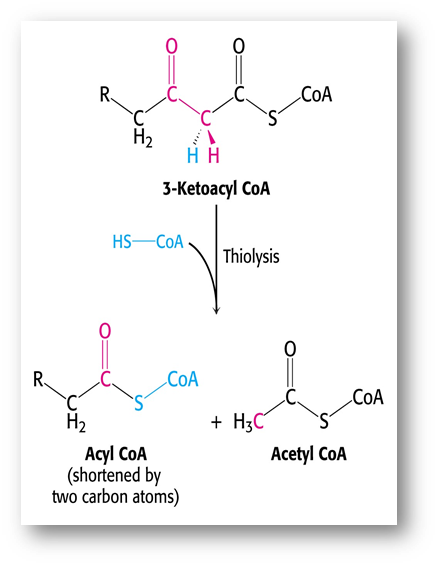
Fatty acid oxidation and TG breakdown- Short-answer questions
Question 1: Why are triglycerides a more efficient energy storage form compared to glycogen? Answer: Triglycerides are highly reduced and stored in a nearly anhydrous form, yielding about 9 kcal/g upon complete oxidation. In contrast, the polar nature of glycogen leads to greater hydration, reducing its energy storage capacity to about 1/6th that of fat.
Fatty acid oxidation and TG breakdown- Short-answer questions Read More »
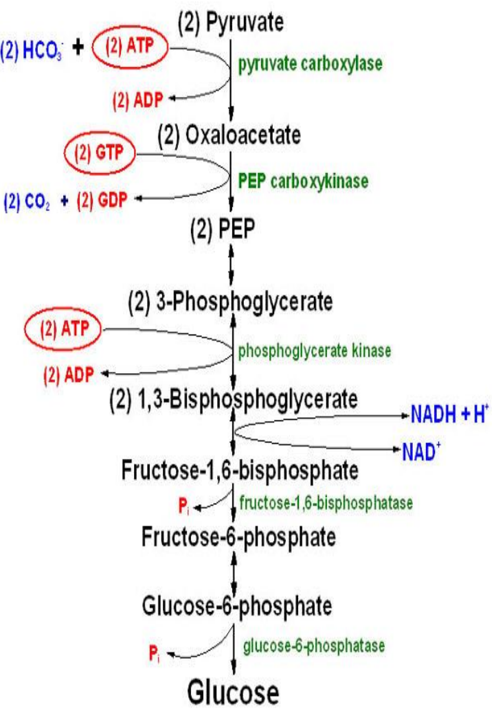
Gluconeogenesis- Short-answer questions
Question 1: Explain why gluconeogenesis is not simply the reverse of glycolysis. Answer: Gluconeogenesis is not simply the reverse of glycolysis because there are three irreversible reactions in glycolysis that must be bypassed in gluconeogenesis. These irreversible reactions are catalyzed by hexokinase, phosphofructokinase, and pyruvate kinase. Gluconeogenesis uses different enzymes to bypass these steps, making
Gluconeogenesis- Short-answer questions Read More »