Multiple-Choice questions

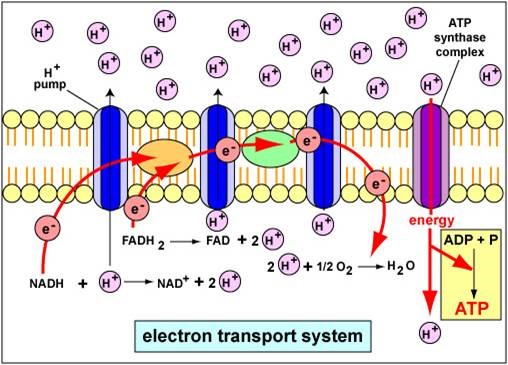
Electron Transport Chain and Oxidative Phosphorylation- Multiple Choice Questions With Explanations-Set-2

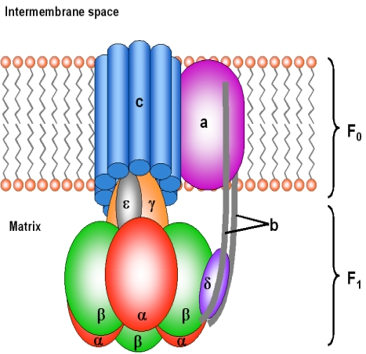
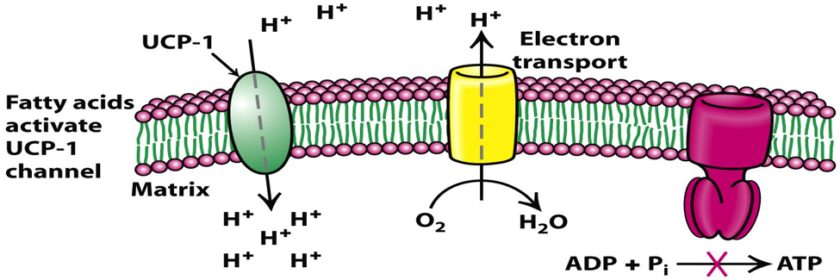
11. A 48-year-old patient is brought to the emergency room after exposure to toxic fumes suspected to contain cyanide. He presents with shortness of breath, confusion, and metabolic acidosis. The medical team suspects cyanide toxicity, which disrupts the electron transport chain (ETC). Which of the following statements concerning the components of the electron transport chain […]
Electron Transport Chain and Oxidative Phosphorylation- Multiple Choice Questions With Explanations-Set-2 Read More »

Electron Transport Chain and Oxidative Phosphorylation- Multiple Choice Questions With Explanations-Set-1

1. A 60-year-old man is admitted to the hospital with confusion, fatigue, and muscle weakness. His symptoms suggest mitochondrial dysfunction, potentially caused by exposure to a toxin that inhibits the electron transport chain. Laboratory tests reveal a disruption in ATP production, and the medical team suspects inhibition at Complex I. Which of the following is

Electron Transport Chain and Oxidative Phosphorylation- Multiple Choice Questions With Explanations-Set-1 Read More »

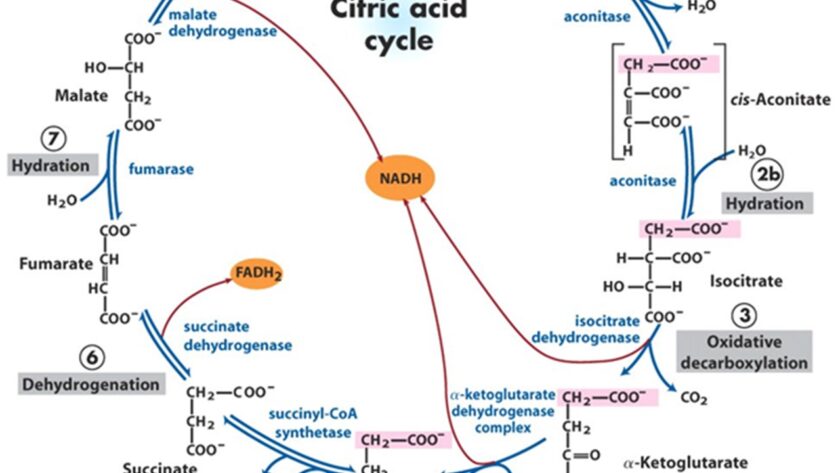
PDH complex and the TCA cycle- NBME style questions set-2

1. The cytosolic isoform of which of the following TCA cycle enzymes requires NADP⁺ as a coenzyme, which can be utilized in the reduced state for reductive biosynthesis? A. Aconitase B. Citrate Synthase C. Isocitrate Dehydrogenase D. Malate Dehydrogenase E. Succinate Dehydrogenase The correct answer is C: Isocitrate Dehydrogenase: The cytosolic isoform of isocitrate dehydrogenase

PDH complex and the TCA cycle- NBME style questions set-2 Read More »

PDH complex and the TCA cycle- NBME style questions set-1

1. A 24-year-old woman presents with diarrhea, dysphagia, jaundice, and white transverse lines on her fingernails (Mee’s lines). She is diagnosed with arsenic poisoning. Arsenic poisoning inhibits which of the following enzymes? A. Citrate synthase B. Isocitrate dehydrogenase C. Malate dehydrogenase D. Succinate dehydrogenase E. α-Keto glutarate dehydrogenase complex Correct answer: E. α-Keto glutarate dehydrogenase

PDH complex and the TCA cycle- NBME style questions set-1 Read More »

NBME-Style Case-Based Questions on the regulation of glycolysis with explanations

Question 1: A 25-year-old man runs a marathon. After 20 miles, his muscle cells are relying heavily on glycolysis for energy production. Which of the following changes is most likely increasing the rate of glycolysis in his muscles? A. Accumulation of alanine B. Decreased availability of glucose C. Decreased oxygen levels D. Increased AMP concentration

NBME-Style Case-Based Questions on the regulation of glycolysis with explanations Read More »

Question of the week

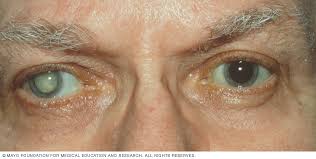
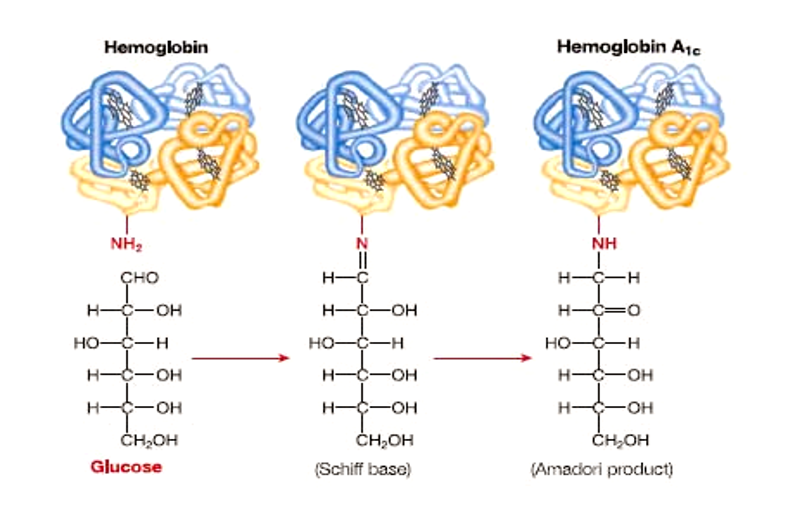
Case details A 54- year-old man with Type 1 diabetes is referred to an ophthalmologist for evaluation of developing cataracts. Blood chemistry results are shown below: Fasting blood glucose   198 mg/dl Hemoglobin A                  15 gm/dl Hemoglobin A1c             10% of total Hb Urine ketones                   Positive Urine glucose                    Positive Which of the following enzymes is most strongly

Question of the week Read More »

ATP- The energy currency within the cell

Q.- Adenosine triphosphate (ATP) is the energy currency within the cell. Which of the following best describes the type of compound ATP is? A. Phospholipid B. Amino acid C. Nucleotide D. Triacylglycerol E. Oligosaccharide. Details The correct answer is -C- Nucleotide. The nucleotide coenzyme adenosine triphosphate (ATP) is the most important form of chemical energy

ATP- The energy currency within the cell Read More »

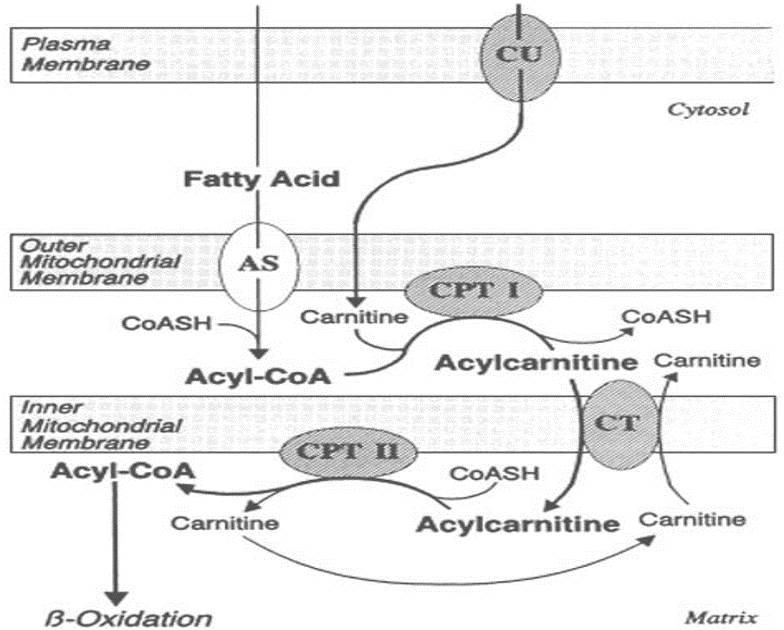
Elevated Acyl carnitine compounds and associated hypoglycemia- What is the defect?

Case details  A 5- year-old boy suffered gastroenteritis for two days and was brought to the emergency in a semiconscious state. Blood glucose at the time of admission was 45 mg/dl and his urine was negative for glucose and ketone bodies. Glucose was administered intravenously, and his condition improved within 10 minutes. Subsequent laboratory investigations

Elevated Acyl carnitine compounds and associated hypoglycemia- What is the defect? Read More »

Question the week-2 (Answer)

A 65-year-old man with a history of type 2 diabetes mellitus is complaining of blurred vision and numbness in his toes. Laboratory results are significant for an increased BUN and creatinine, indicative of renal failure, and high HbA1c, indicative of chronic persistent hyperglycemia. Of the several proposed mechanisms, one mechanism responsible for hyperglycemia-induced complications in

Question the week-2 (Answer) Read More »

×