Quick revisions

Essential Vitamins in Metabolism: Impacts on Fatty Acid, Triglyceride, and Nucleotide Pathways

“Discover how essential vitamins like B2, B3, B6, B12, folate, and others impact fatty acid, triglyceride, and nucleotide metabolism. This detailed overview explains impaired reactions, enzymes affected, and consequences of deficiencies.”
Essential Vitamins in Metabolism: Impacts on Fatty Acid, Triglyceride, and Nucleotide Pathways Read More »

Vitamin Deficiencies and Impairments in Carbohydrate Metabolism

“Vitamins play essential roles in carbohydrate metabolism by acting as coenzymes or precursors for enzymes. Deficiencies in vitamins like Thiamine, Riboflavin, and Niacin can impair critical biochemical reactions, such as the conversion of pyruvate to acetyl-CoA or oxidation in the TCA cycle, leading to conditions like lactic acidosis and energy deficits. Discover the intricate biochemical pathways affected and their physiological impacts in our detailed analysis.”

Vitamin Deficiencies and Impairments in Carbohydrate Metabolism Read More »

Amino acids associated with the TCA cycle and their entry points (with easy mnemonics)

Here’s a table showing the amino acids associated with each intermediate and helpful mnemonics to aid memorization: Intermediate Amino Acids Associated Mnemonic for Amino Acid Entry Points Pyruvate Glycine, Alanine, Serine, Cysteine, Threonine, Tryptophan, Hydroxyproline G – Glycine A – Alanine S – Serine C – Cysteine T – Threonine T – Tryptophan H – Hydroxyproline

Amino acids associated with the TCA cycle and their entry points (with easy mnemonics) Read More »

Comprehensive Overview of Fatty Acid Metabolism Disorders: Key Enzyme Defects, Clinical Manifestations, and Mnemonics for Easy Recall

Overview of Fatty Acid Metabolism Disorders Disorder Enzyme Defect Impairment Type Clinical Manifestations Mnemonic Medium-Chain Acyl-CoA Dehydrogenase Deficiency (MCAD)   Acyl-CoA Dehydrogenase specific for medium-chain fatty acids Impaired beta-oxidation of medium-chain fatty acids Hypoglycemia, lethargy, vomiting, seizures, coma, and sudden infant death MCAD = “Might Collapse And Die” Carnitine Deficiency Carnitine transporter or synthesis defect

Comprehensive Overview of Fatty Acid Metabolism Disorders: Key Enzyme Defects, Clinical Manifestations, and Mnemonics for Easy Recall Read More »

Comprehensive Overview of Fatty Acid Metabolism Disorders: Key Enzyme Defects, Clinical Manifestations, and Mnemonics for Easy Recall

  Disoder Enzyme Defect Impairment Type Clinical Manifestations Mnemonic Carnitine Deficiency Carnitine transporter or synthesis defect Impaired transport of long-chain fatty acids Muscle weakness, cardiomyopathy, hypoketotic hypoglycemia “Car Can’t Fuel” CPT I Deficiency CPT I (Carnitine Palmitoyltransferase I) Impaired long-chain fatty acid entry into mitochondria Hypoketotic hypoglycemia, liver dysfunction, hyperammonemia “CPT I = Can’t Properly

Comprehensive Overview of Fatty Acid Metabolism Disorders: Key Enzyme Defects, Clinical Manifestations, and Mnemonics for Easy Recall Read More »

Understanding Organelle Roles in Fatty Acid Metabolism: Synthesis, Elongation, Desaturation, and Oxidation

Table 1: Role of organelles in Fatty Acid Synthesis, Elongation, and Desaturation Process Organelle Function Key Enzymes/Features De Novo Fatty Acid Synthesis Cytoplasm Formation of palmitate (16-carbon saturated fatty acid) from acetyl-CoA and malonyl-CoA. Acetyl-CoA carboxylase (ACC), fatty acid synthase (FAS) Elongation of Fatty Acids Endoplasmic Reticulum (ER), Mitochondria Extends the carbon chain of long-chain

Understanding Organelle Roles in Fatty Acid Metabolism: Synthesis, Elongation, Desaturation, and Oxidation Read More »

Navigating the Fed and Fasting States: Key Pathways, Enzymes, and Memorable Mnemonics

This table includes a note about the enzyme activity in each state: State Hormone Pathway Enzymes Active Mnemonic Fed State Insulin Glycolysis Hexokinase, PFK-1, Pyruvate Kinase “Hungry Pandas Party” (HPP) Glycogenesis Glycogen Synthase “Glyco Savings” Fatty Acid Synthesis Acetyl-CoA Carboxylase, Fatty Acid Synthase “ACCelerate the Fats” Protein Synthesis Ribosomal enzymes “Ribs Build” Lipogenesis Lipoprotein Lipase

Navigating the Fed and Fasting States: Key Pathways, Enzymes, and Memorable Mnemonics Read More »

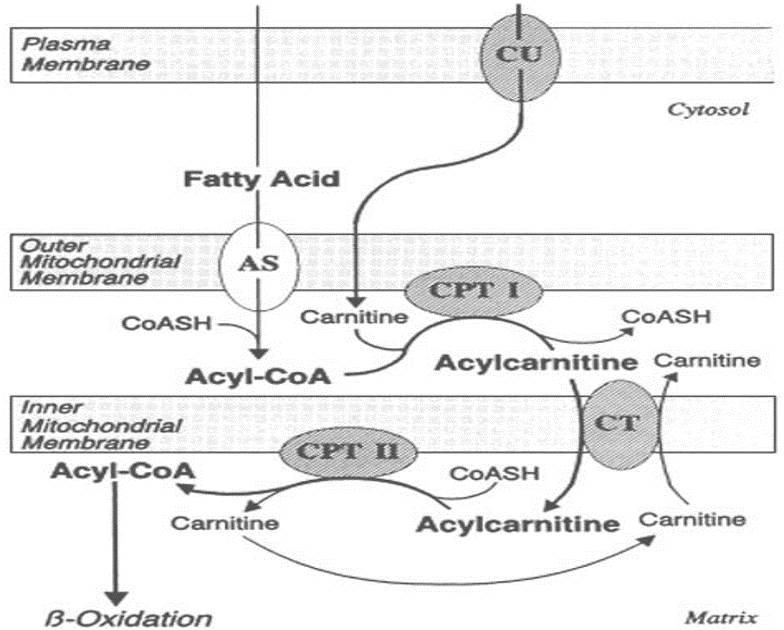
“Differentiating Carnitine Deficiency and Enzyme Deficiencies in the Carnitine Shuttle: Clinical and Laboratory Insights”

Clinical Case: A 6-year-old boy presents to the emergency department with episodes of severe muscle weakness, fatigue, and dark-colored urine after prolonged physical activity. His parents report that he often becomes weak during periods of fasting or intense exercise. Blood tests reveal elevated levels of fatty acylcarnitine and normal levels of free carnitine. Plasma analysis

“Differentiating Carnitine Deficiency and Enzyme Deficiencies in the Carnitine Shuttle: Clinical and Laboratory Insights” Read More »

Glycogen storage diseases with mnemonics to aid memorization

A table summarizing the main glycogen storage diseases (GSDs) with enzyme defects, key clinical features, and mnemonics to aid memorization: Glycogen Storage Disease Enzyme Defect Key Clinical Features Mnemonic Type I: von Gierke Disease (GSD I) Glucose-6-phosphatase Severe fasting hypoglycemia, hepatomegaly, lactic acidosis, hyperlipidemia, hyperuricemia “von Gierke: ‘G6P’s Gone, Liver Left Low” Type II: Pompe

Glycogen storage diseases with mnemonics to aid memorization Read More »

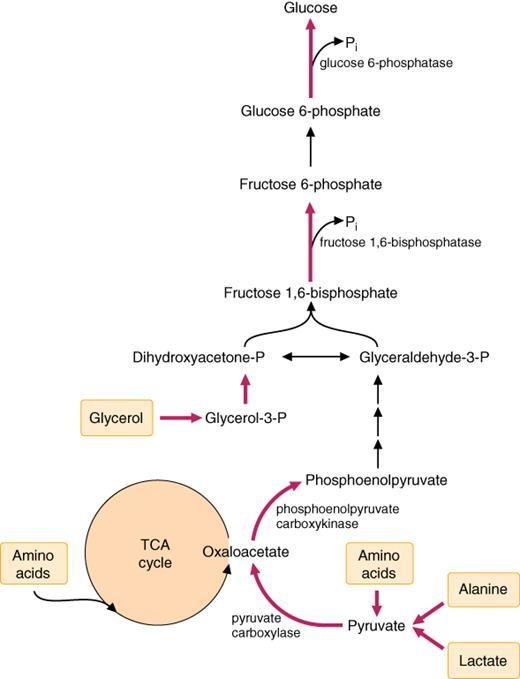
Gluconeogenesis: Pathways, Substrates, and Key Enzymes Explained with mnemonics

Gluconeogenesis Gluconeogenesis is a vital metabolic process that allows the body to synthesize glucose from non-carbohydrate sources, ensuring a continuous supply of glucose, especially during fasting or intense exercise. Below, we explore how key substrates enter gluconeogenesis and the role of specific enzymes with easy-to-remember mnemonics to simplify learning.     Figure 1: Gluconeogenesis and

Gluconeogenesis: Pathways, Substrates, and Key Enzymes Explained with mnemonics Read More »

×