Molecular Biology

DNA Damage And Repair

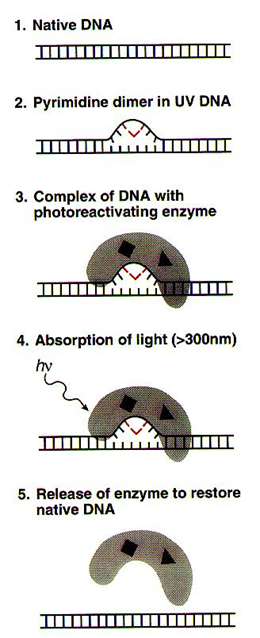
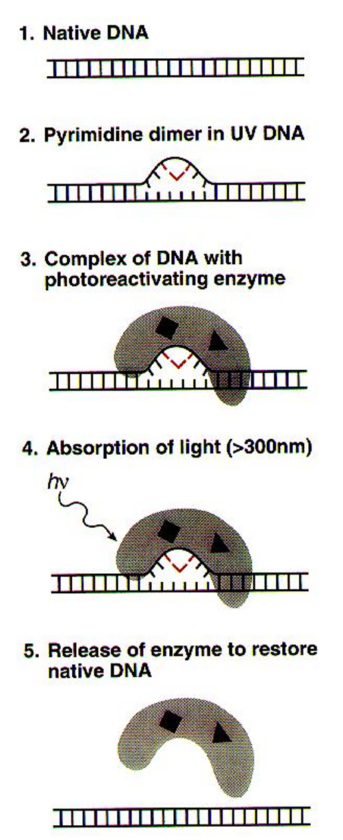
DNA in the living cell is subjected to many chemical alterations. If the genetic information encoded in the DNA is to remain uncorrupted, any chemical changes must be corrected. A failure to repair DNA produces a mutation. Agents that Damage DNA Radiations- Highly reactive oxygen radicals produced during normal cellular respiration as well as by other biochemical pathways Ionizing […]

DNA Damage And Repair Read More »
DNA Replication- A Quick Revision (lecture-2)

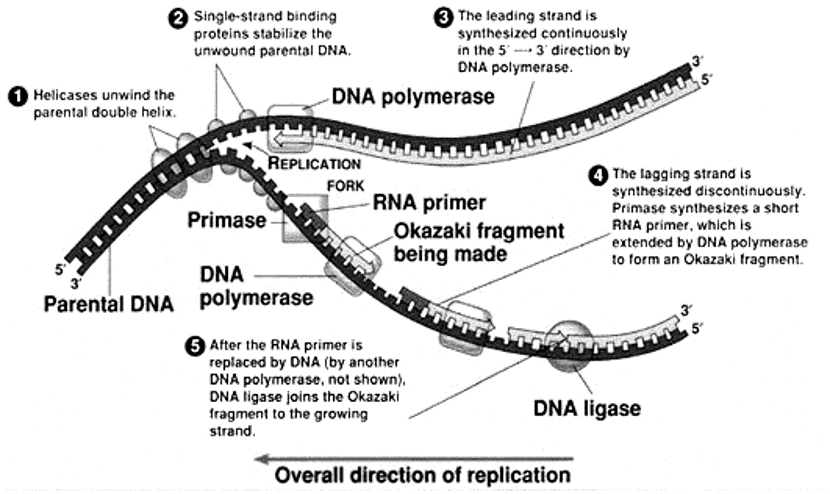
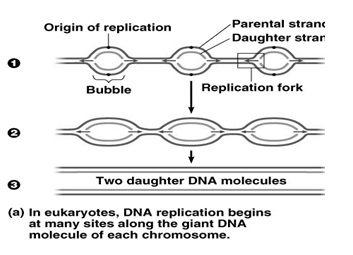
DNA Replication Basis for inheritance The fundamental process occurring in all cells for copying DNA to transfer the genetic information to daughter cells Each cell must replicate its DNA before division. Salient features of DNA replication 1) Semi-conservative Parental strands are not degraded Base pairing allows each strand to serve as a template for a

DNA Replication- A Quick Revision (lecture-2) Read More »

DNA Replication-Lecture-1

DNA Replication: the process of DNA Synthesis Purpose of replication Basis for inheritance The fundamental process occurring in all cells for copying DNA to transfer the genetic information to daughter cells Each cell must replicate its DNA before division. Salient features of DNA replication 1) Semi conservative Parental strands are not degraded Base pairing allows

DNA Replication-Lecture-1 Read More »

RNA Structure, types, and functions- a quick revision

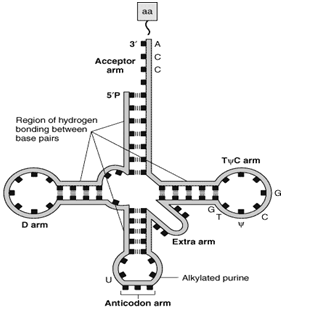
RNA (Ribonucleic acid ) Ribonucleic acid (RNA) is a polymer of purine and pyrimidine ribonucleotides linked together by 3′,5′-phosphodiester bridges analogous to those in DNA (Figure-1). Figure 1- Showing an RNA fragment, the ribonucleotides are linked together by 3′-5′ phosphodiester linkages.  Ribose is the principal sugar in RNA  Differences between RNA and DNA Although sharing

RNA Structure, types, and functions- a quick revision Read More »

DNA Structure and Functions (a quick Revision)

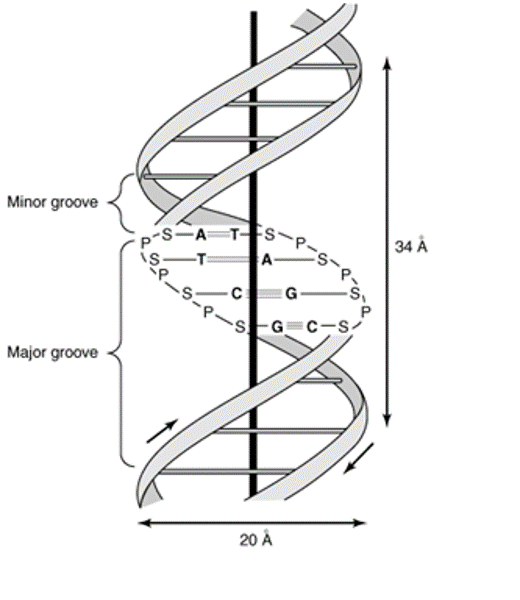
DNA DNA – a polymer of deoxyribonucleotides found in chromosomes, mitochondria, and chloroplasts carries the genetic information. DNA structure a) Primary structure (figure-1) Represents the linear sequence of deoxyribonucleotides linked together by 3′-5′ phosphodiester linkages The informational content of DNA resides in the sequence in which monomers—purine and pyrimidine deoxyribonucleotides—are ordered. The polymer, as depicted,

DNA Structure and Functions (a quick Revision) Read More »

Molecular Biology-Multiple-choice questions (set-2)

Q.1- Which statement best describes the ‘semi-conservative replication’ of DNA? A) In each replication cycle, only one of the two DNA strands is replicated B) In each replication cycle, one of the parental strands is conserved C) In each replication cycle, the daughter cells acquire either the parental stands or new stands D) Only half

Molecular Biology-Multiple-choice questions (set-2) Read More »

Molecular Biology- Multiple-choice questions (set-1)

Q.1- A critical enzyme used directly in the synthesis of dTMP (thymidine) is a) Carbamoyl phosphate b) Aspartate Transcarbamylase c) Dihydrooratase d) Thymidylate synthase Q.2- In which phase of the cell cycle does DNA replication occur? a) G0 b) G1 c) S d) G2 Q.3-A 10-month-old baby boy presents with steatorrhea, recurrent pulmonary infections, GI

Molecular Biology- Multiple-choice questions (set-1) Read More »

×