USMLE Content

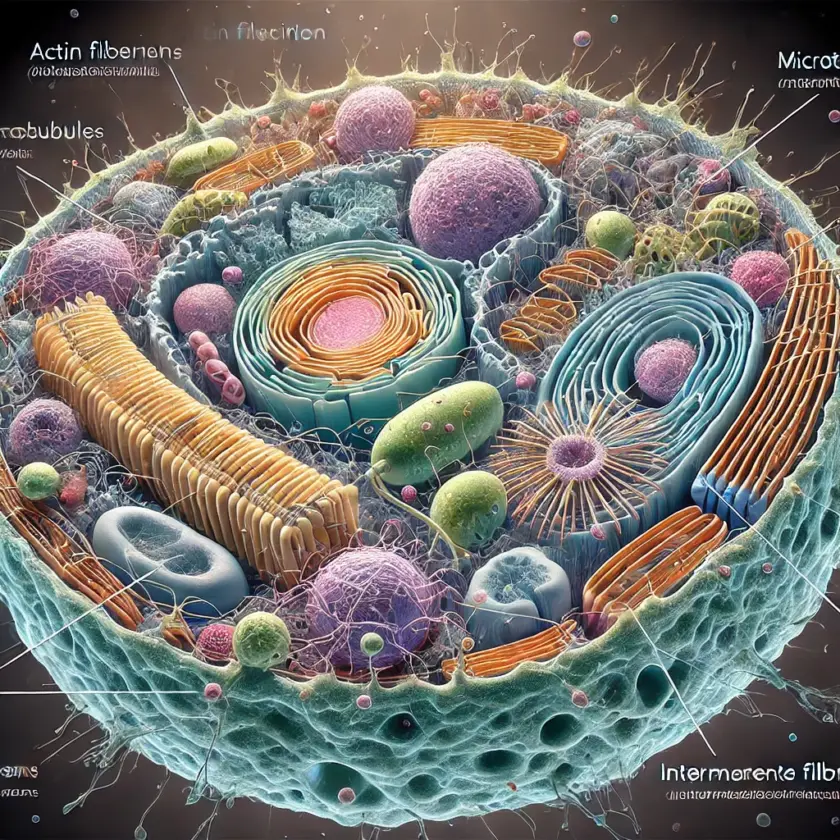
25 Case-Based MCQs on Cytoskeleton: Test Your Medical Knowledge!

Ever wondered how the cytoskeleton supports cellular structure and movement? 🧬 Dive into 25 case-based multiple-choice questions that challenge your understanding of microtubules, actin filaments, intermediate filaments, and cytoskeletal disorders. Ideal for medical students, USMLE prep, and cell biology learners. Let’s test your knowledge!

25 Case-Based MCQs on Cytoskeleton: Test Your Medical Knowledge! Read More »
Case-Based MCQs on RNA Structure and Function: Test Your Knowledge

Case 1: RNA Virus Mutation A researcher is studying a new RNA virus. Unlike DNA viruses, RNA viruses mutate more rapidly. The researcher finds that this rapid mutation is linked to the virus’s single-stranded RNA structure. Question 1: Why does the single-stranded nature of RNA contribute to the high mutation rate in RNA viruses? A)

Case-Based MCQs on RNA Structure and Function: Test Your Knowledge Read More »

The Blueprint of Life: Deep Dive into DNA & RNA

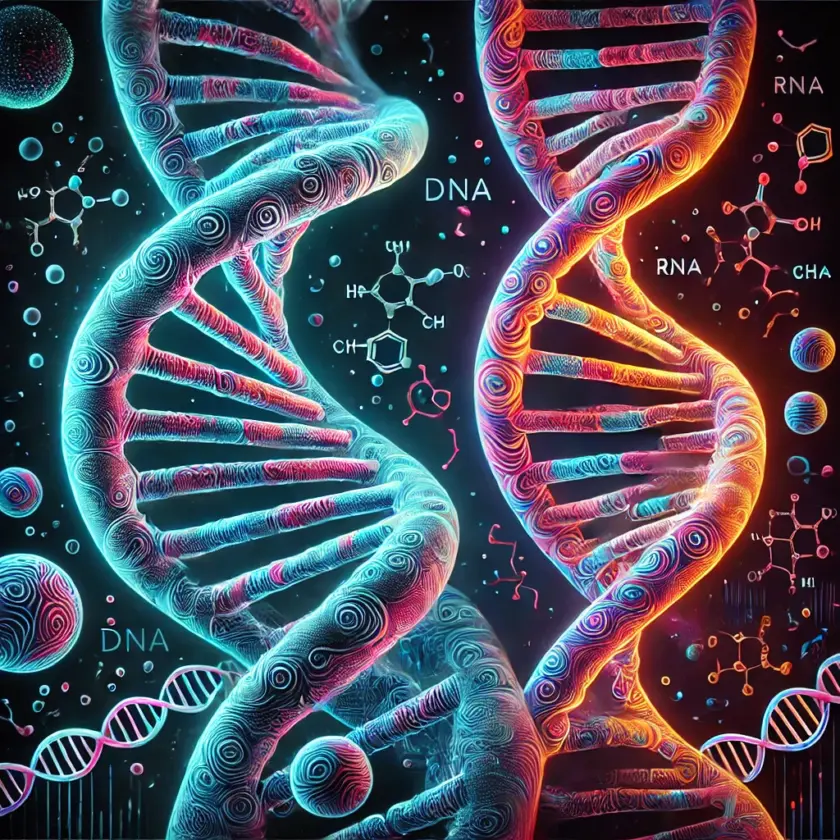
At the core of life’s complexity lies DNA and RNA—molecules that carry the instructions for growth, development, and cellular function. DNA, with its double-helix structure, serves as the long-term storage of genetic information, while RNA, its single-stranded counterpart, plays multiple roles in gene expression and protein synthesis. Understanding their interplay is crucial in fields like genomics, biotechnology, and medicine. In this episode, we unravel their secrets, from replication to transcription and translation, providing a comprehensive look at life’s molecular foundation,

The Blueprint of Life: Deep Dive into DNA & RNA Read More »

Case-Based Multiple-Choice Questions on DNA Structure and Organization

Understanding DNA structure and organization is crucial in molecular biology and medicine. This guide covers key concepts like nucleosome assembly, euchromatin vs. heterochromatin, histone modifications, and DNA packaging, with exam-style case-based questions to enhance learning.

Case-Based Multiple-Choice Questions on DNA Structure and Organization Read More »

50 Essential Questions on the Structure & Functions of DNA & RNA – Strengthen Your Molecular Biology Foundations

Prepare for higher-order case-based questions by mastering the basics! This post covers 50 key questions on the structure and functions of DNA & RNA, DNA packaging, and chromosome structure

50 Essential Questions on the Structure & Functions of DNA & RNA – Strengthen Your Molecular Biology Foundations Read More »

Oncogenes in Human Cancer: A Deep Dive

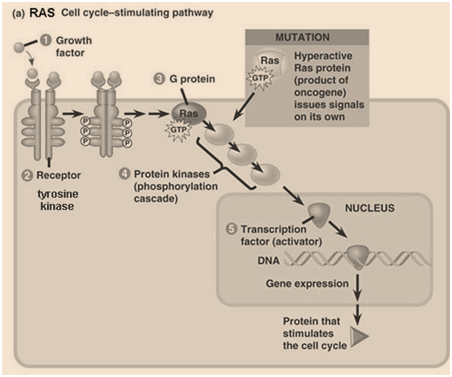
Oncogenes are key drivers of cancer, originating from proto-oncogenes that regulate normal cell functions. When mutated or overexpressed, they lead to uncontrolled cell growth and tumor formation. This article explores the molecular mechanisms of oncogene activation, including point mutations, gene amplification, chromosomal rearrangements, and viral insertional mutagenesis. Understanding these pathways has paved the way for targeted cancer treatments, offering new hope in oncology research and patient care.

Oncogenes in Human Cancer: A Deep Dive Read More »

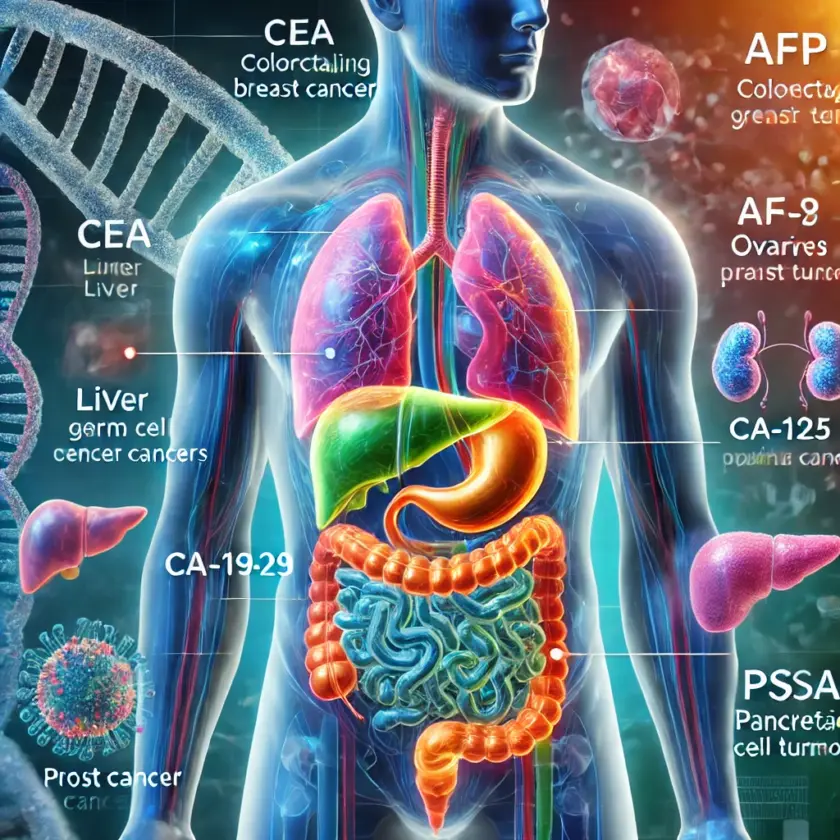
Tumor Markers: Key to Early Cancer Detection & Monitoring

Tumor markers are essential tools in cancer screening, diagnosis, and treatment monitoring. This guide covers the classification of tumor markers, their role in oncology, and easy mnemonics for memorization. Discover how biomarkers like CEA, AFP, CA-125, and PSA help detect and track various cancers. A must-read for medical professionals and students!”

Tumor Markers: Key to Early Cancer Detection & Monitoring Read More »

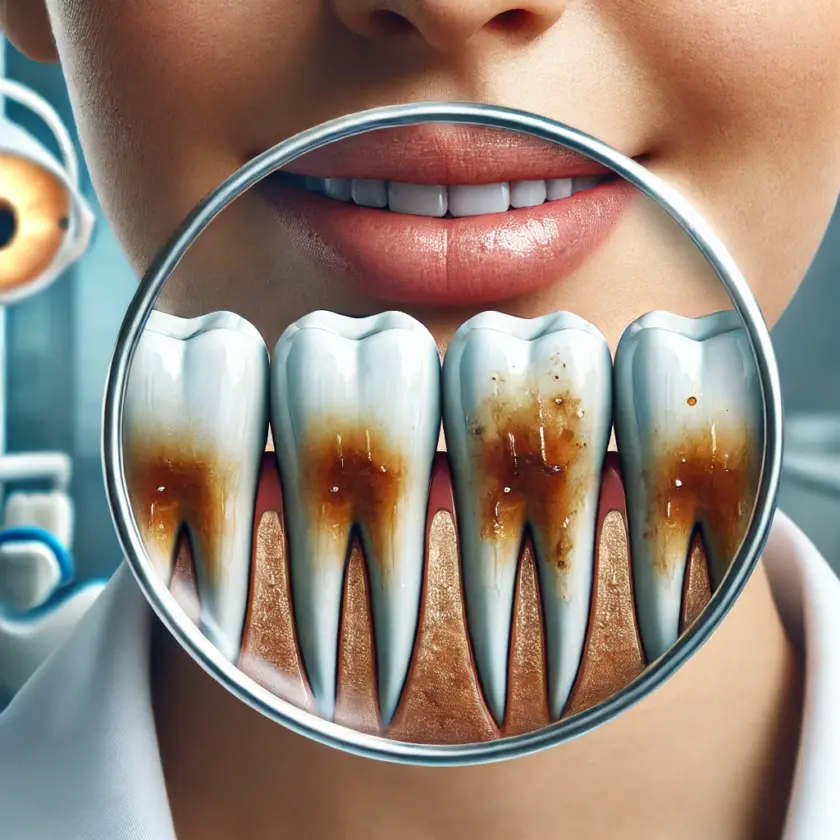
Fluorosis Uncovered: Identifying and Understanding Enamel Damage: Response to the Medical Image Challenge

This post provides the detailed explanation and diagnosis for the medical image challenge we previously posted. If you haven’t seen the challenge yet, refer to our previous post for the case details before reading the full response.

Fluorosis Uncovered: Identifying and Understanding Enamel Damage: Response to the Medical Image Challenge Read More »

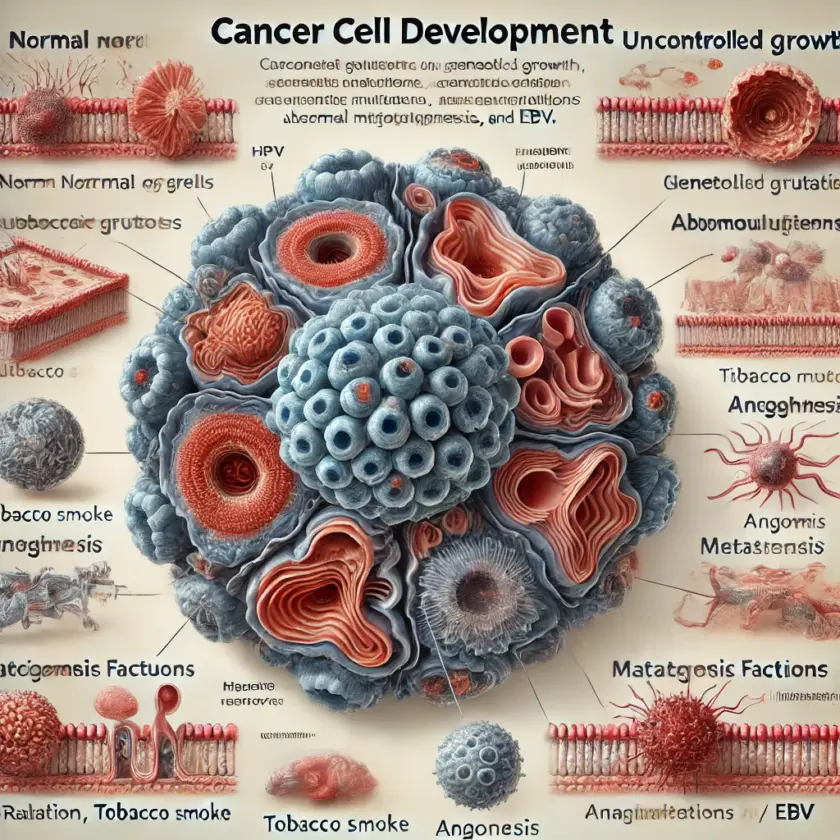
Cancer Development: Cellular Characteristics and Carcinogenic Factors

Cancer is a disease characterized by uncontrolled cell growth, invasion of local tissues, and the ability to metastasize to distant organs. This article explores the properties of cancer cells, including loss of apoptosis, metabolic reprogramming, and genetic instability. It also examines the etiology of carcinogenesis, focusing on radiation, chemical carcinogens, and viral oncogenesis. Understanding these mechanisms is crucial for cancer prevention and treatment strategies

Cancer Development: Cellular Characteristics and Carcinogenic Factors Read More »

×