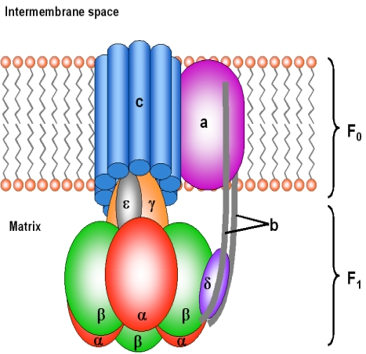
All about COVID 19 Vaccine
All about COVID 19 Vaccine Read More »
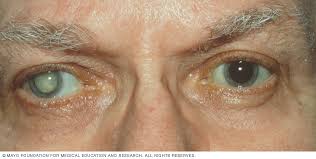
Case details A 54- year-old man with Type 1 diabetes is referred to an ophthalmologist for evaluation of developing cataracts. Blood chemistry results are shown below: Fasting blood glucose 198 mg/dl Hemoglobin A 15 gm/dl Hemoglobin A1c 10% of total Hb Urine ketones Positive Urine glucose Positive Which of the following enzymes is most strongly
Question of the week Read More »
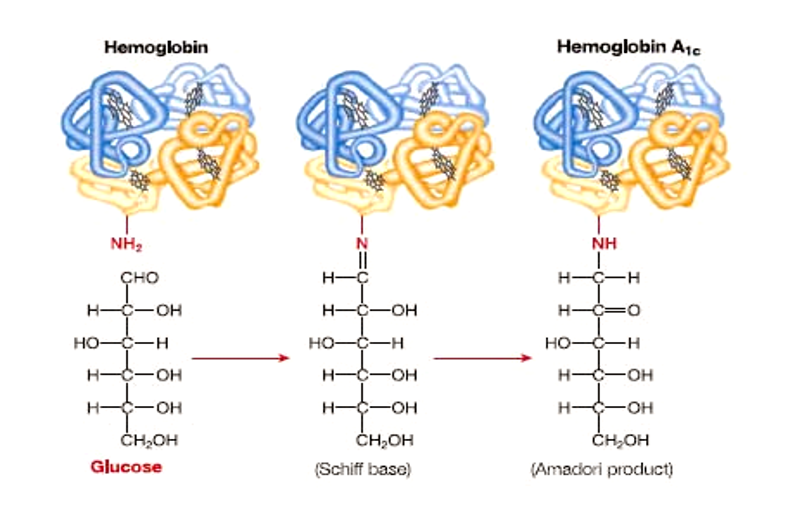
A 65-year-old man with a history of type 2 diabetes mellitus is complaining of blurred vision and numbness in his toes. Laboratory results are significant for an increased BUN and creatinine, indicative of renal failure, and high HbA1c, indicative of chronic persistent hyperglycemia. Of the several proposed mechanisms, one mechanism responsible for hyperglycemia-induced complications in
Question the week-2 (Answer) Read More »
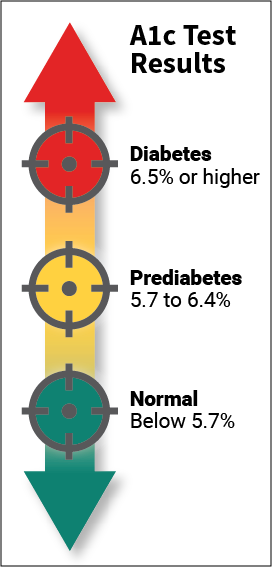
A 65-year-old man with a history of type 2 diabetes mellitus is complaining of blurred vision and numbness in his toes. Laboratory results are significant for an increased BUN and creatinine, indicative of renal failure, and high HbA1c, indicative of chronic persistent hyperglycemia. Out of the several mechanisms proposed, one mechanism responsible for hyperglycemia-induced complications
Question the week-2 Read More »

The websites- Biochemistry For Medics- Lecture notes (www.namrata.co) and Biochemistry For Medics (usmle.biochemistryformedics.com) are no more operational. Please don’t feel disappointed if you can’t access those websites. This website “Our biochemistry” is an updated version of both the websites. https://new.ourbiochemistry.com/ Contact me to get the learning resources of your choice. Thanks, Namrata
Our Biochemistry- an updated version of Biochemistry of medics by Namrata Chhabra Read More »

Can an N95 face mask protect you from catching the new coronavirus? Face masks are reportedly selling out in cities across Asia as concerns over the spread of a deadly new coronavirus grow. China’s National Health Commission has deployed masks to healthcare workers responding to the outbreak, and millions of masks have been sent to residents
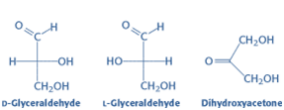
Q.1- Discuss in brief about the isomerism in monosaccharides.Answer- The sugar molecules having asymmetric carbon atoms exhibit isomerism. Asymmetric carbon atom- It is the carbon atom that is attached to four different groups. All monosaccharides except- Dihydroxyacetone, have asymmetric carbon atoms. Based on the presence of asymmetric carbon atoms the following types of isomerism of monosaccharides are
Important Questions of Monosaccharides (Solved)(Set-1) Read More »
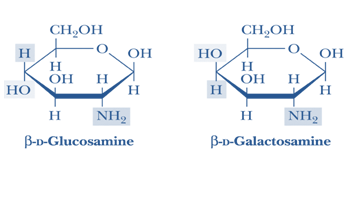
Introduction The most abundant heteropolysaccharides in the body. Highly negatively charged molecules, with extended conformation that imparts high viscosity to the solution. GAGs are located primarily on the surface of cells or in the extracellular matrix (ECM). Along with the high viscosity of GAGs comes low compressibility, which makes these molecules ideal for a lubricating
Glycosaminoglycans and proteoglycans – A quick revision Read More »