Lecture notes

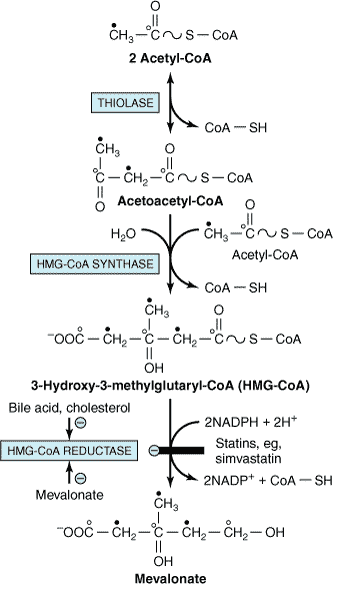
The reaction catalyzed by HMG Co-A Reductase

Case Details A 40-year-old man presents with chest pain that radiates to his left jaw and shoulder. He is diagnosed with a myocardial infarct (heart attack) and is prescribed statin medication. Statins are competitive inhibitors of HMG CoA reductase, which converts HMG Co A to which of the following? Isopentenyl pyrophosphate Mevalonate Geranyl pyrophosphate Farnesyl […]

The reaction catalyzed by HMG Co-A Reductase Read More »
Steps of de novo synthesis of cholesterol

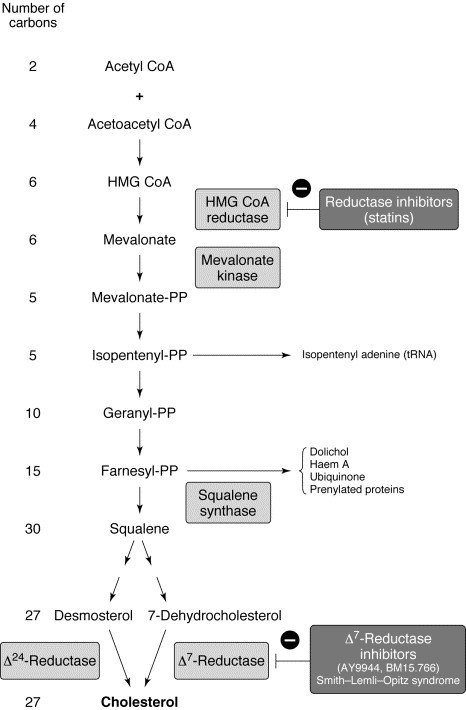
Steps of de novo synthesis of cholesterol Cholesterol is derived from diet, de novo synthesis, and the hydrolysis of cholesteryl esters. A little more than half the cholesterol in the body arises by synthesis (about 700 mg/d), and the average diet provides the remainder. The liver and intestine account for approximately 10% each of the

Steps of de novo synthesis of cholesterol Read More »

Structure and functions of cholesterol

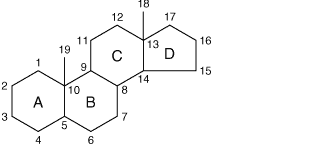
Structure and functions of cholesterol Cholesterol is the major sterol in the animal tissues. The structure of cholesterol consists of four fused rings (the rings in steroids are denoted by the letters A, B, C, and D), with the carbons numbered in the sequence, and an eight numbered, and branched hydrocarbon chain attached to the

Structure and functions of cholesterol Read More »

Utilization of ketone bodies and ketosis- lecture 3

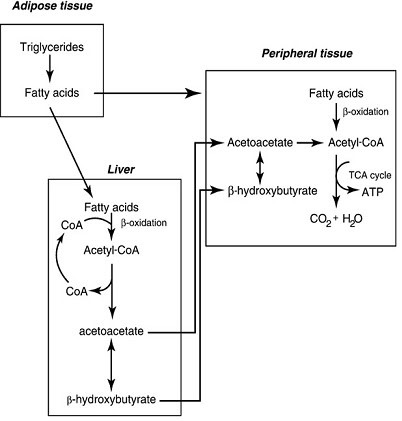
Utilization of ketone bodies The ketone bodies are water-soluble and are transported across the inner mitochondrial membrane as well as across the blood-brain barrier and cell membranes. Thus, they can be used as a fuel source by a variety of tissues, including the CNS. They are preferred substrates for aerobic muscle and heart, thus sparing

Utilization of ketone bodies and ketosis- lecture 3 Read More »

Ketogenesis-lecture 2

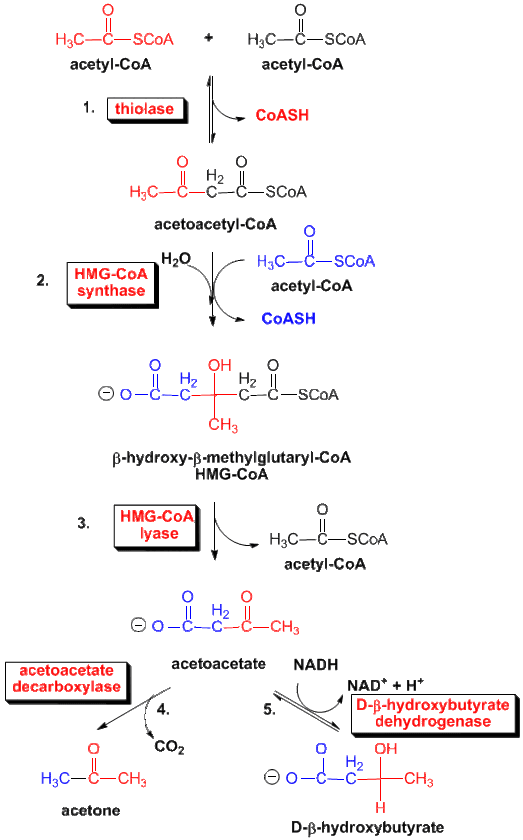
Ketogenesis Ketogenesis takes place in the liver using Acetyl CoA as a substrate or a precursor molecule. Enzymes responsible for ketone body formation are associated mainly with the mitochondria. Steps of synthesis-Acetoacetate (the first ketone body) is formed from acetyl CoA in three steps (figure ). 1)Two molecules of acetyl CoA condense to form Acetoacetyl

Ketogenesis-lecture 2 Read More »

Ketone bodies and their biological significance- lecture 1

Ketone bodies Ketone bodies can be regarded as a water-soluble, transportable form of acetyl units. Fatty acids are released by adipose tissue and converted into acetyl units by the liver, which then exports them as ketone bodies. Acetoacetate, D(-3) -hydroxybutyrate (Beta-hydroxybutyrate), and acetone are often referred to as ketone bodies (figure-1). Figure-1- showing the structure

Ketone bodies and their biological significance- lecture 1 Read More »

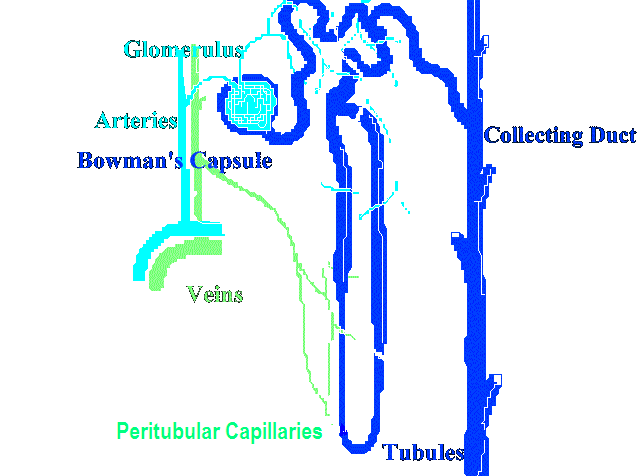
Renal clearance- a quick revision

Introduction Renal clearance is a measurement to analyze the functions of the kidney. By definition, clearance is the volume of plasma from which the excretion completely removes a substance through the kidney in a given amount of time (usually a minute). For example, the clearance for urea is 75 ml/min. This means that the kidney

Renal clearance- a quick revision Read More »

Fatty Acid Synthesis: Key Steps, Enzymes, and Clinical Relevance Explained

Fatty acid synthesis takes place in three stages- Initiation, Elongation, and Termination Step-1- Initiation a) Formation of Malonyl CoA The fatty acid synthesis starts with the carboxylation of acetyl-CoA to malonyl-CoA. This irreversible reaction is the committed step in fatty acid synthesis. The synthesis of malonyl-CoA is catalyzed by acetyl-CoA carboxylase, which contains a biotin prosthetic

Fatty Acid Synthesis: Key Steps, Enzymes, and Clinical Relevance Explained Read More »

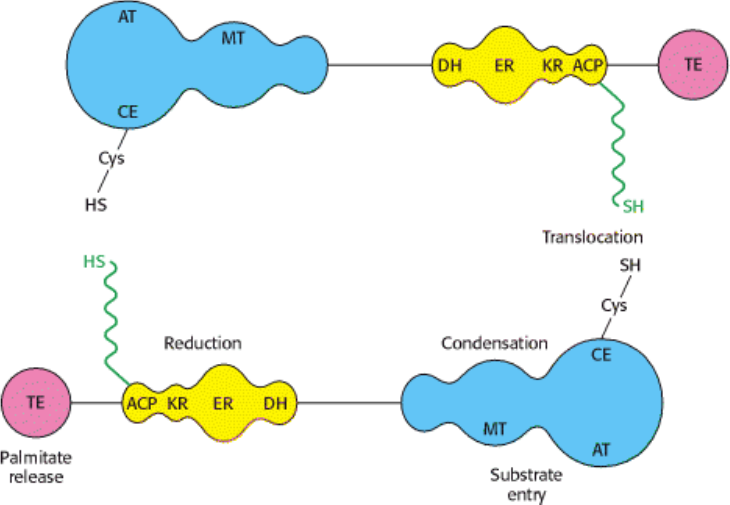
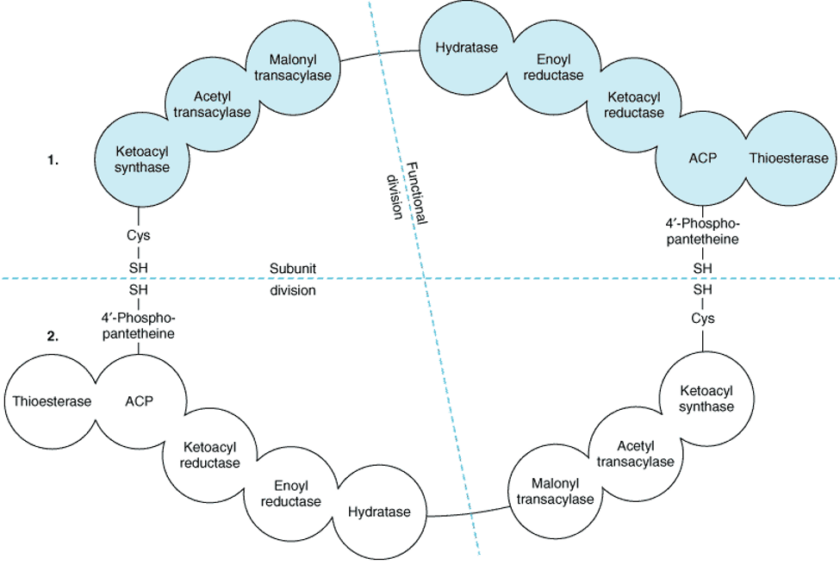
Fatty Acid Synthesis- Lecture 3 (fatty acid synthase complex)  

Fatty acid synthase complex is the second most important enzyme complex in the pathway of de novo fatty acid biosynthesis. In mammals, the fatty acid synthase complex is a dimer comprising two identical monomers, each containing all seven enzyme activities of fatty acid synthase on one polypeptide chain. Each chain is folded into three domains

Fatty Acid Synthesis- Lecture 3 (fatty acid synthase complex)   Read More »

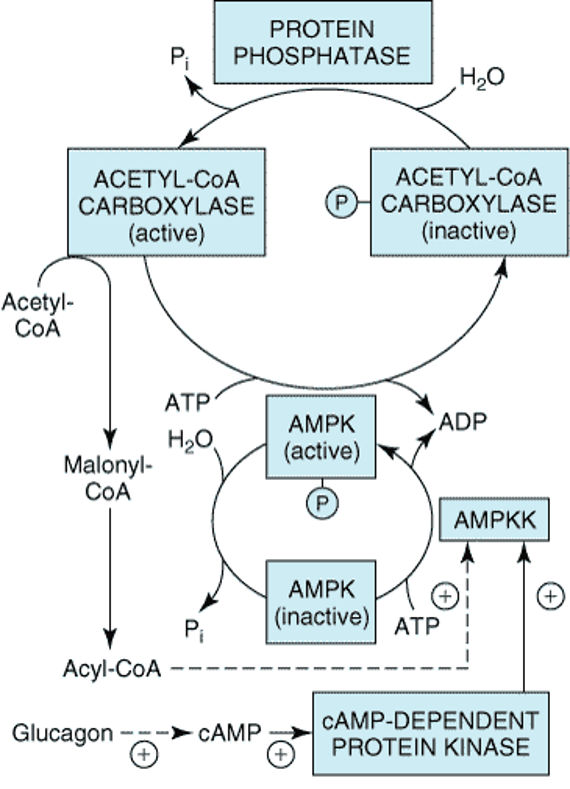
Fatty Acid Synthesis- Lecture 2 (Acetyl CoA Carboxylase)

The fatty acid synthesis starts with the carboxylation of acetyl CoA to malonyl CoA. This irreversible reaction is the committed step in fatty acid synthesis (figure 1). Figure- 1- Showing the formation of Malonyl Co A from Acetyl Co A Bicarbonate as a source of CO2 is required in the initial reaction for the carboxylation

Fatty Acid Synthesis- Lecture 2 (Acetyl CoA Carboxylase) Read More »

×