
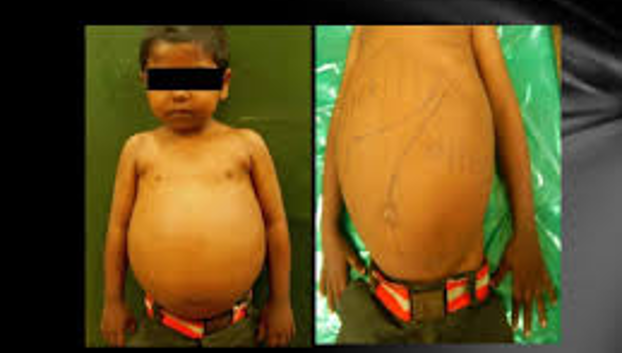
Case studies- Chemistry and metabolism of lipids-Lecture 1
Case studies- Chemistry and metabolism of lipids-Lecture 1 Read More »
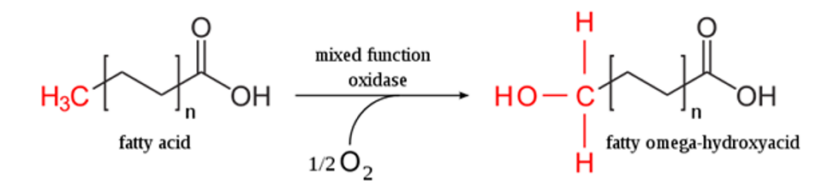
Omega oxidation of fatty acids Another minor pathway for fatty acid oxidation also involves hydroxylation and occurs in the endoplasmic reticulum of many tissues. In this case, hydroxylation takes place on the methyl carbon at the other end of the molecule from the carboxyl group or on the carbon next to the methyl end. It
Minor pathways of oxidation of fatty acids- Lecture-2 (omega and peroxisomal oxidation) Read More »
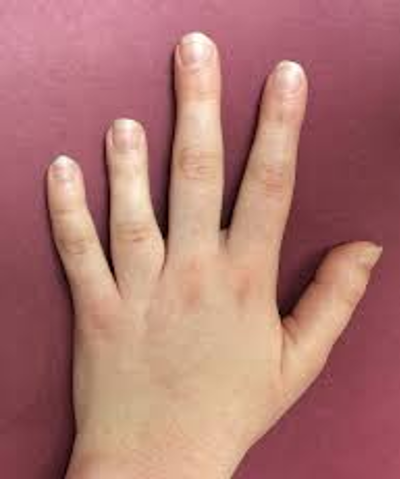
The β oxidation accounts for the bulk of energy production from fatty acids in humans. These reactions must be supplemented by other mechanisms so that all types of ingested fatty acids can be oxidized. Overview of minor pathways of the biological importance of fatty acid oxidation 1) α- Oxidation- Oxidation occurs at C-2 instead of
Minor pathways of oxidation of fatty acids- Lecture-1 (Alpha-oxidation) Read More »
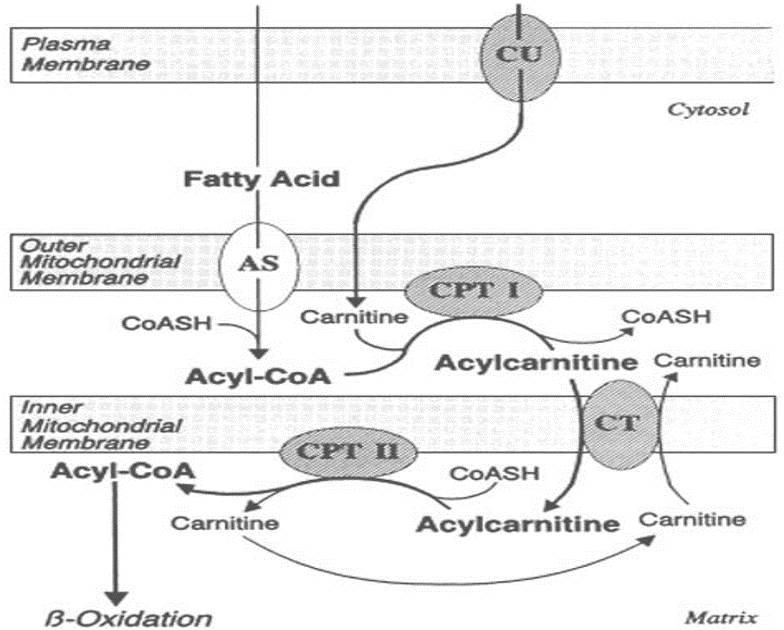
Case details A 5- year-old boy suffered gastroenteritis for two days and was brought to the emergency in a semiconscious state. Blood glucose at the time of admission was 45 mg/dl and his urine was negative for glucose and ketone bodies. Glucose was administered intravenously, and his condition improved within 10 minutes. Subsequent laboratory investigations
Elevated Acyl carnitine compounds and associated hypoglycemia- What is the defect? Read More »
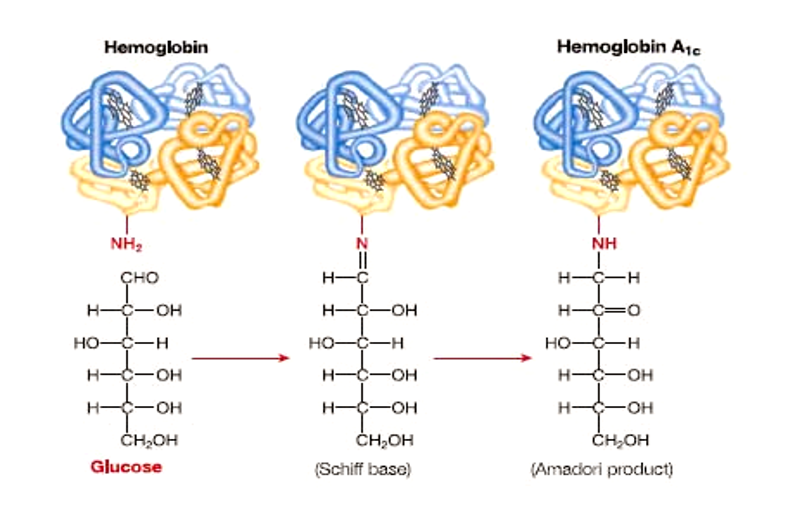
A 65-year-old man with a history of type 2 diabetes mellitus is complaining of blurred vision and numbness in his toes. Laboratory results are significant for an increased BUN and creatinine, indicative of renal failure, and high HbA1c, indicative of chronic persistent hyperglycemia. Of the several proposed mechanisms, one mechanism responsible for hyperglycemia-induced complications in
Question the week-2 (Answer) Read More »
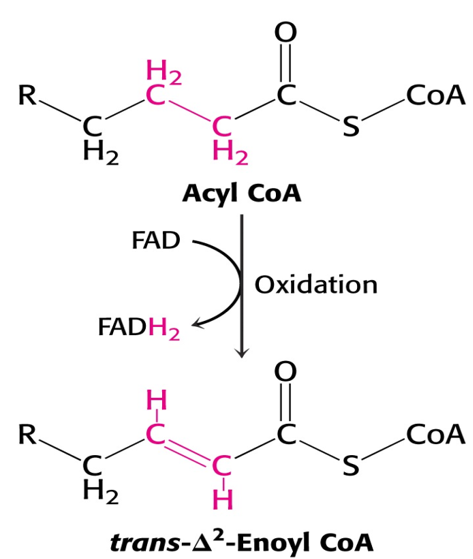
A saturated acyl Co-A is degraded by a recurring sequence of four reactions: 1) Oxidation (dehydrogenation) by flavin adenine dinucleotide (FAD) 2) Hydration, 3) Oxidation(dehydrogenation) by NAD+, and 4) Thiolysis by CoA The fatty acyl chain is shortened by two carbon atoms as a result of these reactions, and FADH2, NADH, and acetyl CoA are
Steps of beta-oxidation- Lecture-3 Read More »
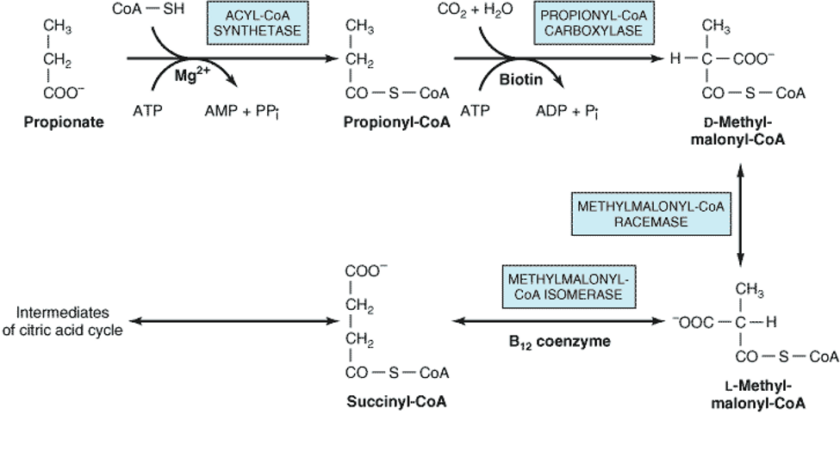
Fatty acids with an odd number of carbon atoms are oxidized by the pathway of β-oxidation, producing acetyl-CoA until a three-carbon (propionyl-CoA) residue remains. The 3- Carbon Propinyl CoA is utilized in the following way: The fate of propionyl CoA This compound is converted to succinyl-CoA, a constituent of the citric acid cycle (Figure 1).
Beta oxidation of odd chain and unsaturated fatty acids- lecture-4 Read More »
Overview β-oxidation takes place in mitochondrion. Tissues in which β-Oxidation is carried out are the liver, heart, kidney, muscle, brain, lungs, testes, and adipose tissue. In cardiac muscle, 80% of energy is derived from FA oxidation. A saturated acyl Co-A is degraded by a recurring sequence of four reactions: Oxidation by flavin adenine dinucleotide (FAD)
Beta oxidation of fatty acids-Lecture-2 (Activation and transportation of fatty acids) Read More »
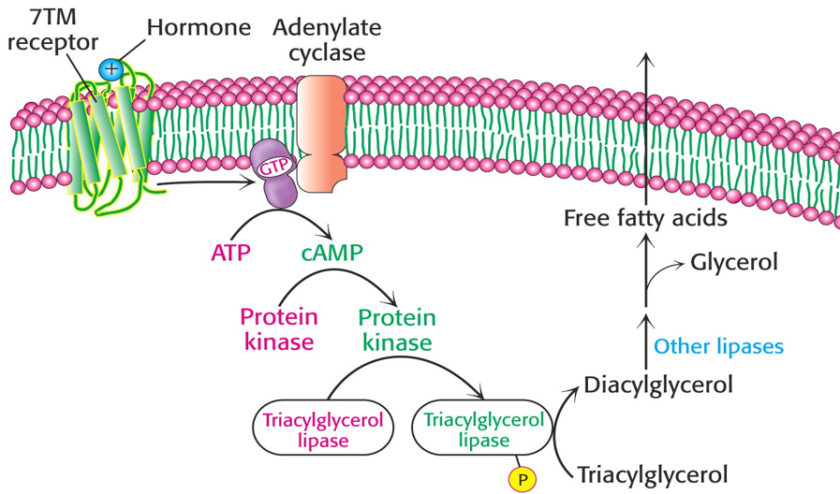
A fatty acid contains a long hydrocarbon chain and a terminal carboxylate group. The hydrocarbon chain may be saturated (with no double bond) or maybe unsaturated (containing double bond)-figure-1. Figure 1- showing saturated and unsaturated fatty acids. Sources of fatty acids Fatty acids can be obtained from- Diet Adipolysis De novo synthesis Functions of fatty
Fatty acid oxidation- (General introduction)-Lecture-1 Read More »
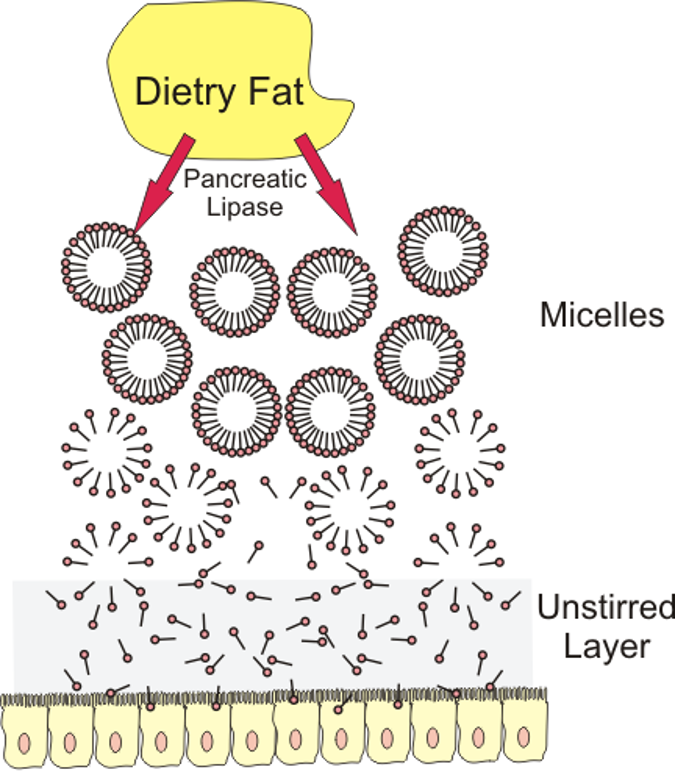
Absorption of Lipids Glycerol, short and medium-chain fatty acids (chain lengths less than 14 carbons) are directly absorbed from the intestinal lumen into the portal vein and taken to the liver for further utilization. Long-chain fatty acids, free cholesterol, and β- acyl glycerol and bile salts form mixed micelles. Micelles Micelles are disk-shaped clusters of
Lipid absorption simplified Read More »